



You're standing in front of the mirror with freshly washed hair and somewhere to be. The clock is ticking, but your hair has other plans. Do you let it dry naturally and hope for the best, or reach for the blow dryer and take control?
For years, hair care advice has treated drying methods like rival camps. Team Air Drying swears by patience and nature. Team Blow Drying reaches for heat, brushes, and salon-worthy results. Spend enough time online, and you will find no shortage of conflicting opinions.
The debate around air drying vs blow drying hair has been going on for years, and the answer is not nearly as simple as most people think. So, let's untangle the facts, explore what really happens when your hair dries, and discover which method deserves a place in your routine.
The Big Myth: Is Air Drying Really Better for Your Hair?
Air drying has long been considered as the healthier option. After all, there's no heat involved. So, it must be gentler, right? Not always. Hair is around 30% weaker when it's wet, and leaving it damp for hours can put stress on the hair shaft.
So, is air drying bad for hair? Does that mean you should make blow-drying a part of your daily routine? Well, neither method is perfect.
Too much heat can cause its own set of problems. Healthy hair depends less on the drying method itself and more on how carefully you use it. Many hair dryers now come with multiple settings. Choosing a lower heat setting is often considered less damaging to your beautiful tresses.
The Science of How Hair Reacts to Drying
A great deal happens to your hair every time you wash it. With the intake of moisture by hair strands, the outer layer becomes a little raised. In this state, hair becomes fragile and susceptible to damage.
Air drying removes moisture slowly. But using a blow dryer speeds things up with airflow and heat. You will need to find a balance between the two methods. Excessive heat will only make your hair dry. Keeping your tresses wet for an extended period is also not desirable. Many experts recommend that the best way to dry hair is a combination of both.
Air Drying: Benefits and Drawbacks
Air drying seems like the perfect option when you are short on time. It's easy, requires almost no effort, and gives your hair a break from heat. But like most things in hair care, it has its ups and downs.
Benefits
- Your hair gets a break from heat.
- It's perfect for lazy mornings or wash-and-go days.
- Natural waves and curls often look more relaxed.
- Hair can feel less dry.
Drawbacks
- Thick hair can take forever to dry.
- Frizz can show up in humid weather.
- Fine hair may end up looking a little flat.
Blow Drying: Benefits and Drawbacks
Around 61% of women and 38% of men regularly use a hair dryer as part of their routine. Here are its pros and cons:
Benefits
- Dries your hair much faster.
- Creating volume and shape is much easier.
- Hair often looks smoother and more polished.
- It is good for fine hair.
Drawbacks
- Heat damage from blow dryers.
- Requires more time and effort than air drying.
- Daily blowouts may increase breakage.
Which Drying Method Is Better for Your Hair Type?
Many people keep wondering how to dry hair without damage. The best drying method depends on the type of hair you have. Here's a quick guide:
| Hair Type | What Works Best | Why |
|---|---|---|
| Fine Hair | Gentle blow drying | Fine hair looks flat because of air drying. Using a blow dryer on low to medium heat adds volume. |
| Thick Hair | Hybrid approach | Thick hair can stay wet for hours. Let it air dry partially, then finish with a blow dryer to speed things up. |
| Curly Hair | Air drying or diffusing | Curls stay in shape with air drying. A diffuser on low heat can improve definition and reduce frizz. |
| Wavy Hair | A combination of both | Wavy hair generally tends to be soft and flexible. Air-dry partially first. Then, blow-dry on low to medium heat to add volume. |
| Frizz-Prone Hair | Controlled blow drying | A gentle blow-dry with smoothing products can help seal the cuticle and create a sleeker finish. |
| Color-Treated Hair | Either method with protection | Color-treated hair needs extra care. Minimize excessive heat and always use protective products during drying. |
The good news? You don't have to commit to one method forever. Your hair's needs can change with the weather, your styling goals, and even the season.
The Hybrid Approach: Combining Both Methods for Healthier Hair
What most people don't know is that a hybrid approach is the best way to dry hair. Follow these steps:
- Use a microfiber towel to get rid of excess water. Blot and don't rub.
- Try not to apply heat without air drying at least 70% of your hair.
- Use low or medium heat to dry and style the rest. This way, your hair spends less time soaking wet and less time under heat.
Best Practices: How to Air Dry and Blow Dry Without Damage
A few smart habits can help minimize damage from your drying routine:
- One of the best air dry hair tips is to use a towel when drying your hair in order to avoid unnecessary friction.
- It's also advisable to comb out any tangles with a wide-toothed comb while your tresses are still damp.
- Use protective products before drying.
- Avoid high heat whenever possible.
- One of the most important blow dry hair tips is to hold the dryer a few inches away from your hair.
- Finish with cool air for a smoother, shinier finish.
Products That Protect Hair During Drying
Choosing the right option between the two hair drying methods is crucial. But what's more important is knowing which products can safeguard your hair during drying. The products you use along the way can make a big difference. These products can help with everything from frizz and dryness to texture and shine.
Air-Dry Styler
Some days, you just don't want to deal with a blow dryer. That's where Neu Styling Air Dry Shaper comes in. It helps bring out your hair's natural texture while adding body, soft control, and a healthy-looking shine.
Leave-In Treatment
Freshly washed hair tends to be easier to manage when it has a little extra hydration. Neu Moisture Instant Fix is a lightweight leave-in treatment that helps detangle, nourish, and protect hair without feeling heavy.
Smoothing Cream
If your hair starts doing its own thing the minute it begins to dry, a smoothing cream can help. Neu Styling Smoothing Creme helps calm frizz and flyaways while leaving hair softer, smoother, and more polished.
Hair Oil
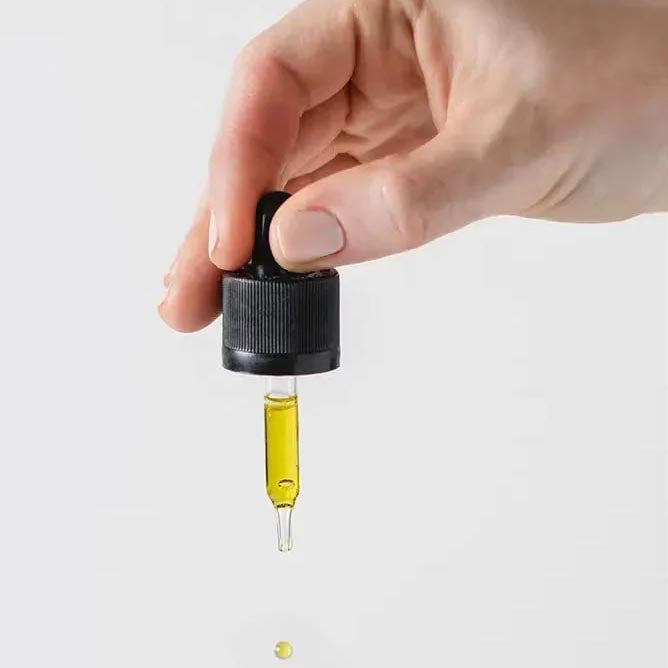
Sometimes all your hair needs is a finishing touch. Neu Moisture Argan Oil is a lightweight treatment oil that helps tame frizz, add softness, and restore the healthy-looking shine that makes it look and feel its best.
Why Choose Neuma
Good hair days usually start with good products. Neuma focuses on clean, thoughtfully crafted formulas that do what they're supposed to do without loading hair with unnecessary ingredients. The brand's less-is-more philosophy keeps things simple, helping you build a hair care routine that feels effective, effortless, and better for both your hair and the world around you.
Conclusion
So, is air drying better than blow drying? Not really. Both methods have their place, and the best choice often depends on your hair type, your routine, and the look you're after. The real goal isn't picking a side. It's drying your hair in a way that keeps it healthy, manageable, and looking its best day after day.
FAQs
Q1: Is air drying really better for your hair than blow drying?
Not always. While air drying skips the heat, leaving your hair wet for hours isn't necessarily doing it any favors either.
Q2: Can air drying actually damage your hair?
Surprisingly, it can. Hair is at its most delicate when wet. Keeping it damp for too long may put extra stress on the strands.
Q3: Which is better for fine hair: air drying or blow drying?
For many people with fine hair, gentle blow drying works better. It can add a bit of lift and help prevent that flat, limp look.
Q4: What is the safest way to blow-dry hair?
Keep the heat setting moderate and don't hold the dryer in one spot for too long. Using a heat protectant is always a good idea.
Q5: Does air drying cause frizz?
It definitely can. If you've ever stepped outside on a humid day and watched your hair do its own thing, you know exactly what that looks like.
Q6: Is it bad to sleep with wet hair?
It's not the end of the world, but it's not ideal either. Wet hair is more likely to tangle and break as it rubs against your pillow overnight.
Q7: Can blow-drying cause hair loss over time?
Not directly. What it can do is cause breakage if you're constantly using high heat without protection.
Q8: How should I dry curly hair without damaging it?
A little patience goes a long way. Let your curls air dry for a bit, then use a diffuser on low heat if you need to speed things up.
Q9: Should I use heat protectant even on low heat?
Yes. It only takes a few seconds to apply. Your hair will thank you for the extra protection.
Q10: What is the best way to combine air drying and blow drying?
A simple approach is to let your hair air-dry partially. Finish with a blow dryer on a gentle setting.


