

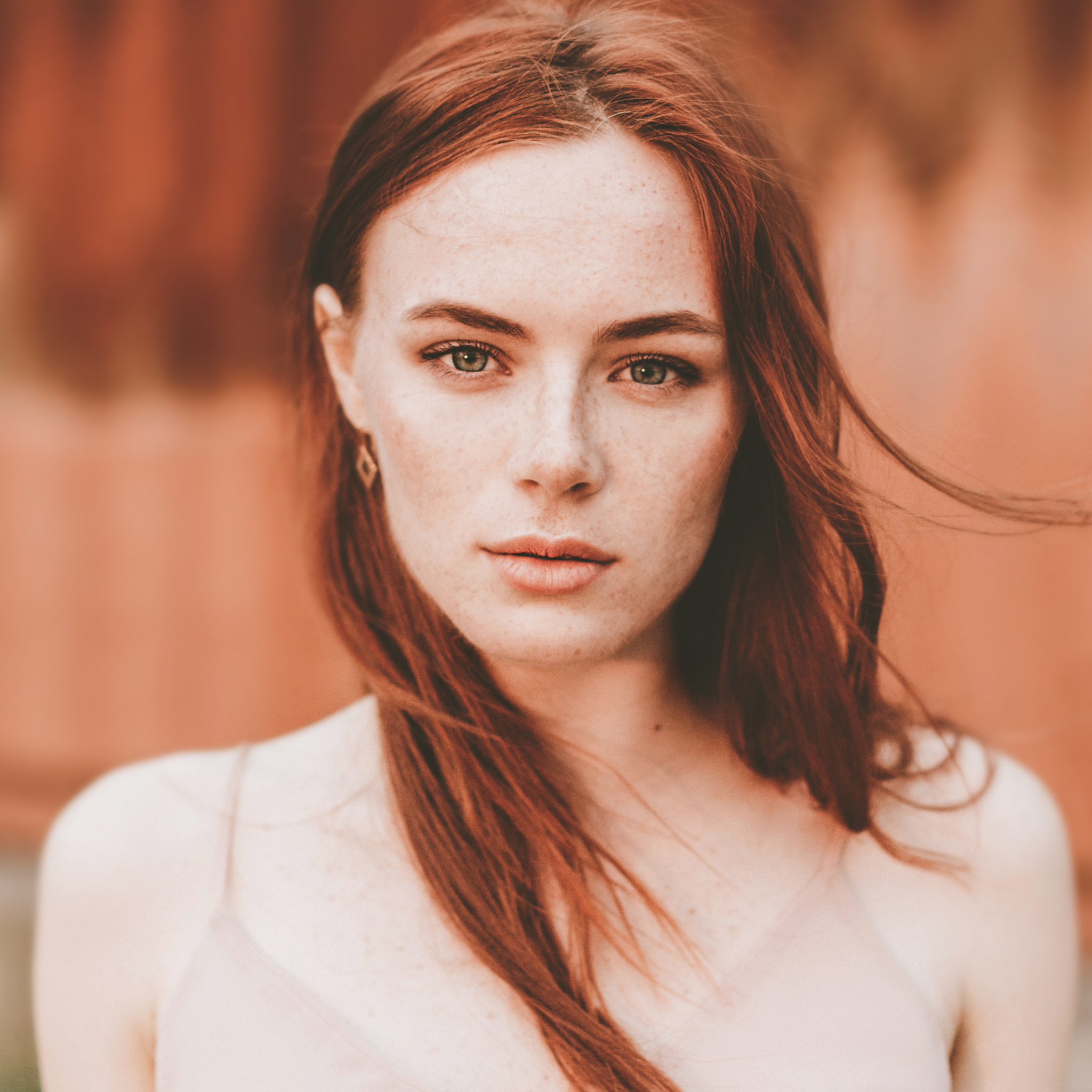


Bangs have a way of changing the mood of a haircut without asking for a complete transformation. They can soften a strong feature, add shape to a simple cut, and bring a fresh sense of movement to hair that feels too familiar. The appeal lies in their range. Some look clean and tailored, while others feel light, airy, and relaxed.
With so many types of bangs available today, it is easier than ever to find a version that feels personal, flattering, and easy to wear. The right choice does not simply follow trends. It works with your face shape, your hair texture, and the amount of styling time you can honestly give each morning.
What Are Bangs and Why Are They Popular?
Bangs are shorter sections of hair cut to fall over the forehead, and their effect can be subtle or striking depending on shape and length.
A Simple Change With Strong Impact
What makes bangs so enduring is their ability to change the frame of the face almost instantly. They can make the eyes stand out and give a haircut more shape. This is why stylists often suggest them to clients who want a visible change without losing length. The different kinds of bangs that are popular today all have one thing in common: they are elegant and show off your personality.
Why They Continue To Trend
Their popularity also comes from versatility. Some styles feel polished enough for work, while others look effortless and soft for everyday wear. They also adapt well to long hair, short cuts, layered shapes, and textured styles. That flexibility keeps types of bangs in steady demand, season after season, because they offer change without requiring a dramatic commitment.
Types Of Bangs
A closer look at the most loved types of bangs makes it easier to see which shape fits your features and styling habits.
1. Classic and Timeless Choices
Classic bangs include blunt, wispy, curtain, and side-swept options. Blunt bangs create a strong line and a refined finish. Wispy bangs feel softer and lighter, and this makes them easy to wear. Curtain bangs open at the center and frame the face with a graceful effect. Side-swept bangs add movement and are often the easiest starting point for someone trying bangs for the first time.
| Bang Style | Best Known For | Works Well With |
|---|---|---|
| Classic bangs | Balanced, timeless shape | Medium to thick hair |
| Blunt bangs | Sharp, polished finish | Straight or smooth hair |
| Wispy bangs | Soft, airy texture | Fine to medium hair |
| Curtain bangs | Face-framing movement | Most lengths and layers |
| Side-swept bangs | Gentle angle and versatility | Oval, round, and heart-shaped faces |
2. Modern and Textured Options
If you want more character, there are also micro bangs, shaggy bangs, choppy bangs, feathered bangs, bottleneck bangs, layered bangs, grown-out bangs, and curly bangs. These types of fringe bangs bring more texture and personality, with movement that feels current rather than rigid. Among the more expressive types of bangs, bottleneck and feathered shapes stand out for their softness, while micro and choppy styles feel bolder and more fashion-forward.
How To Choose The Right Bangs For Your Face Shape
Face shape does not make the decision for you, but it does help narrow the types of bangs that tend to feel the most balanced.
1.Matching Shape With Style
Round faces often look beautiful with curtain or side-swept bangs because they create length and gentle angles. Oval faces can wear almost any style, from blunt to shaggy. Heart-shaped faces usually suit wispy or bottle-neck bangs that soften the upper face. Square faces often benefit from feathered or layered bangs that ease a stronger jawline.
| Face Shape | Bangs That Often Work Best | Why They Flatter |
|---|---|---|
| Round | Curtain, side-swept | Add length and softness |
| Oval | Blunt, wispy, curtain, micro | Naturally balanced proportions |
| Heart | Wispy, bottleneck | Lightens the forehead area |
| Square | Feathered, layered, side-swept | Softens strong lines |
2.Consider Proportion, Not Rules
A good haircut isn’t just about shape. Hair density, forehead height, and personal style matter just as much. When people compare different bang types, the smartest approach is to look at proportion rather than strict rules. A style that feels slightly customized usually looks better than one copied exactly from a photo.
How To Style Bangs At Home
-
Start With The Right Prep
Bangs respond best when they are styled fresh. A lightweight prep product can help them feel smoother without looking heavy. On damp hair, a small amount of Neu Moisture Instant Fix can help soften rough ends. It will create a cleaner starting point before heat styling. Use just a touch, focusing on control rather than coating the hair. -
Blow-Dry With Intention
A round brush is helpful, but is not required. The key is directing the hair while it dries so the roots do not set in an awkward shape. Blow-dry bangs from side to side first, then guide them into the final position. This keeps the volume balanced and helps prevent a split down the middle unless that is the look you want. -
Finish Without Overworking
Once dry, avoid too much product. Bangs sit at the front of the face, so they show buildup quickly. A very light finish usually looks better than a heavily styled one. The goal is shape, movement, and separation that still feels soft when touched.
Low-Maintenance Bangs For Everyday Styling
Some styles are simply easier to live with, and that matters if you want bangs that work on ordinary mornings, not just perfect ones.
1.Styles That Ask For Less
Curtain bangs, side-swept bangs, wispy bangs, and grown-out bangs are often the easiest to maintain. They blend into the rest of the haircut, grow out gracefully, and usually do not demand daily precision. For busy schedules, these are often the most practical types of bangs, especially if you prefer a polished look with minimal effort.
2.Refreshing Day-Two Bangs
Second-day bangs can lose shape or start to look slightly oily, especially around the roots. In that case, a small amount of Re Neu Dry Shampoo can help restore freshness and lift without making the hair feel stiff. Spray lightly, let it sit for a moment, and brush through just enough to keep the finish clean and natural.
Bangs Based on Hair Texture
1.Fine Or Straight Hair
Fine and straight hair often suits blunt, wispy, or curtain bangs because these cuts can create the appearance of fullness. The shape should stay clean, but not too heavy, or the bangs may separate. A softly refined line usually gives the best result.
2.Wavy Hair
Wavy hair pairs beautifully with shaggy, bottleneck, side-swept, and layered options. The natural bend in the hair brings a relaxed finish that feels full of movement. Many people exploring different types of bangs discover that waves actually make softer, face-framing styles look even better.
3.Curly or Coily Hair
Curly bangs can look incredible when they’re cut with the natural pattern in mind. The key is leaving enough length for spring and shrinkage. Curly, feathered, and grown-out styles often feel the most wearable. When choosing among different bang types, texture should never be treated as a problem—it’s what makes the final look unique and beautiful.
FAQs
1. Are bangs suitable for all hair types?
Yes, most of the time. The most important thing is to pick a cut that works with how your hair naturally falls. Straight, wavy, curly, and coily hair can all wear bangs well if they are shaped and cut to the right length.
2. Which bangs are the best?
There is no single best option. The best choice depends on your face shape and maintenance preference. Among all types of bangs, curtain bangs and wispy bangs are often the most universally flattering.
3. How often should bangs be trimmed?
Most bangs need a trim every two to four weeks, depending on the style. Blunt and micro bangs usually need more frequent upkeep, while curtain or grown-out bangs can go longer between appointments without losing their shape.
4. How long does it take to grow out bangs?
That depends on starting length and hair growth rate, but many people notice a meaningful change within three to four months. Full grow-out can take longer, especially if the bangs were cut short. Soft blending trims can make the process look more refined.
5. Do bangs help a chubby face?
They can. The right types of bangs can create length, add softness, and draw attention upward toward the eyes. Curtain bangs and side-swept bangs are often especially flattering because they frame the face without making it appear wider.
6. Are bangs high maintenance?
Some are, and some are not. Blunt or micro bangs usually need more styling and more frequent trims, while curtain and wispy styles are easier to manage. If you want a smoother finish during styling, a small amount of Neu Styling Smoothing Crème can help control frizz and keep the shape refined without making bangs look overly set.


