


You run your fingers through your hair and, wait. That's not how it used to feel. Drier, wirier, flatter, or somehow curlier than it's ever been. If your hair suddenly feels like it belongs to someone else, you're not imagining it. Can hair texture change with age? Absolutely, and it happens to almost everyone eventually.
The good news is that understanding why it's happening makes it far easier to work with instead of against. So let's get into what changes, why it changes, and exactly what you can do to keep your hair feeling like yours.
Can Hair Texture Change With Age?
Let's answer it plainly, because people ask it constantly. Can hair texture change with age? Yes. And does hair texture change with age for most people? Also yes. The hair you had at twenty is rarely the hair you'll have at fifty, and that's completely normal. Straight hair can pick up a wave. Curls can loosen and drop. Fine hair can coarsen; thick hair can thin. It's one of those quiet changes nobody really warns you about, and then one day the new texture is just, there.
Why Is Your Hair Texture Changing?
Here's what's actually happening under the surface, because "why is my hair texture changing" has real, biological answers. Hormones lead the pack. As estrogen dips, especially around menopause, hair can grow finer, drier, and more brittle, and that single shift is a huge reason why hair texture changes with age blindsides so many women. Your scalp also slows its oil production over the years, so hair that was once perfectly balanced turns drier and starts to feel coarser.
Then there are the follicles themselves. They change over time, sometimes shrinking, which thins the strand and can even alter its shape, so hair losing curl with age is common, and so is the exact opposite, new waves or frizz turning up out of nowhere. And gray hair? That has a whole different structure, often wirier and coarser, which is precisely why hair getting coarser with age tends to arrive hand in hand with the first grays.
The Ways It Actually Shows Up
It looks different on everyone, but the usual suspects are easy to spot. Some people notice their hair getting drier and more brittle, courtesy of that drop in natural oils. Others find it coarser or wiry, and yes, does hair get coarser with age is a real question with a real answer: for plenty of people, absolutely, especially as the grays come through. A lot of us watch our curl pattern shift, because hair losing curl with age genuinely happens, and so does discovering a wave where your hair used to be pin-straight. Thinning or finer strands are common too, as follicles quietly change. Any mix of these can hit at once, which is why the hair you're managing today might need a completely different approach than it did ten years ago.
What You Can Actually Do About It
Now the part that matters most. You can't stop the clock, but you can absolutely change how your hair looks and feels, and most age-related texture changes respond beautifully to the right care. The whole theme? Moisture, gentleness, and a scalp you genuinely look after.
Since dryness drives so much of this, hydration is your foundation. Neu Moisture Shampoo and Neu Moisture Conditioner cleanse gently while flooding thirsty, aging hair with the moisture it no longer makes so easily on its own. Follow with a leave-in like Neu Moisture Instant Fix to detangle and soften, a small step that makes coarse or brittle hair instantly more cooperative. Beyond your product routine, the basics still count: ease off the heat, shield against the sun, and treat your scalp like the skin it actually is, because healthy hair still starts right there.
Building a Routine That Adapts With You
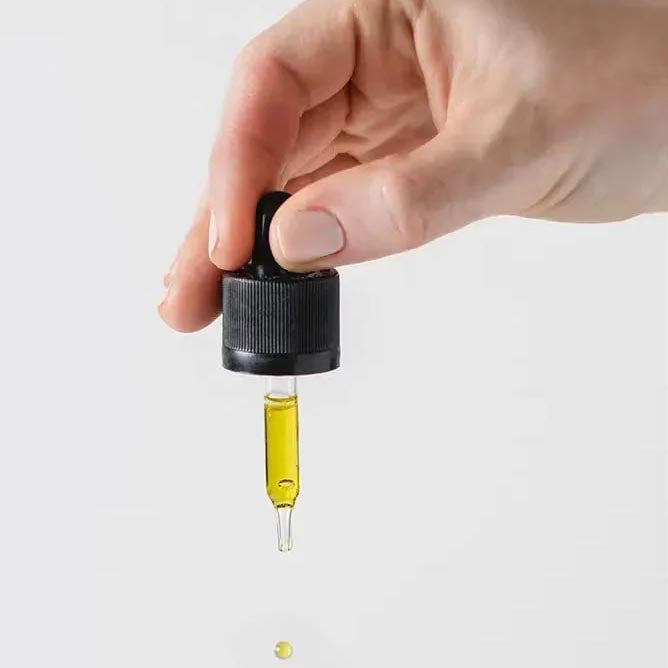
A few targeted additions go a long way as your texture shifts. Once a week, Neu Moisture Masque gives dry, changed hair a deep hydration drink, bringing back the softness and bounce. For frizz, flyaways, and dull ends, a little Neu Moisture Argan Oil smooths things down and adds back the shine aging hair tends to lose. If your hair has turned noticeably coarser or wirier, Neu Styling Smoothing Creme tames and softens the surface so it feels sleek and controlled again, not stubborn. Fold these in gradually, and your routine grows with your hair instead of quietly fighting it.
Can You Actually Change Your Hair Texture Back?
Let's set realistic expectations first. Can your hair type change over time on its own? Your hair type changes on its own over time, but can you deliberately force it back to how it used to be? Not entirely. Some of this is pure genetics and biology, and no bottle off the shelf can rewrite your biology. What you can do, and it's honestly a lot, is dramatically improve the condition, softness, shine, and manageability of the hair you have right now. So when people ask how to change your hair, the realistic answer is this: you work with the new texture, support it well, and it can look and feel wonderful. Just different from before. We started by asking, can hair texture change with age? The answer is a clear yes, and once you accept that evolution, managing it becomes second nature
Frequently Asked Questions
Can hair texture change with age?
Yes, very commonly. Hormonal shifts, reduced oil production, and changing follicles can all alter your hair's texture over time, making it finer, coarser, drier, or changing your curl pattern altogether. It's a normal part of aging, and moisture-focused care makes it genuinely easy to manage.
Why is my hair texture suddenly changing?
Usually hormones, especially around menopause, paired with a natural slowdown in scalp oil and gradual follicle changes. Medications, stress, and years of cumulative damage can play a part too. If the change is sudden or dramatic, it's worth checking with a doctor to rule out thyroid or other causes.
Does hair really get coarser with age?
It can happen. As natural oils decline and gray hairs appear, many people find their hair feels coarser or wirier than it once did, and gray hair's different structure adds to that. Rich moisture and smoothing products soften the feel considerably: coarse doesn't have to mean unmanageable.
Why is my hair losing its curl as I get older?
Changing follicles can alter the shape of the strand they produce, so curls can loosen or drop with age, just as straight hair can pick up a new wave. It's completely normal. Keeping hair well-moisturized and healthy helps your natural pattern, whatever it is now, look its absolute best.
Can I change my hair texture back to how it was?
Not fully, since much of it is genetic and hormonal. But you can hugely improve how your hair looks and feels through hydration, gentle handling, and the right products. The goal isn't turning back the clock. It's making your current texture soft, shiny, and easy to live with.
Conclusion
Can your hair texture change with age? Without a doubt, and if yours has, you are in enormous company. Finer, coarser, drier, straighter, curlier – it's all a normal part of the journey, driven by hormones, shifting oil levels, and the follicles themselves.
The empowering part is just how much stays in your hands. Lean into moisture, treat your hair and scalp gently, add a weekly masque and a nourishing oil, and adapt your routine as your hair keeps evolving. You may not have the exact hair you had at twenty, but with the right care, the hair you have now can feel every bit as beautiful, soft, healthy, and entirely, unmistakably yours.


