



Healthy hair has a quiet polish, while damaged ends make every style feel unfinished. If you’re wondering how to get rid of split ends, the answer starts with paying attention to what your hair is telling you. Split ends don’t appear overnight—they sneak in slowly through heat, dryness, friction, and neglect. The good news? With the right habits, you can reduce damage, soften rough ends, and keep your length looking refined again. Keep reading to discover the habits and techniques that make a real difference.
What are Split Ends?
Split ends begin when the outer cuticle wears down, and the tip of the strand starts to separate.
-
How split ends look
The phrase "split ends hair" is often used to describe strands whose tips have opened, forked, or frayed. Sometimes the end looks like a clear VVV shape. In other cases, it appears feathered, thin, or uneven. Hair may also feel rough at the bottom, tangle more easily, and lose its smooth finish. Even when the rest of the strand looks healthy, the last inch can reveal visible stress.
-
Why do they get worse?
Once a strand splits, it rarely repairs itself in a lasting way. The separation can continue moving upward, which means more breakage, less shine, and a thinner look through the ends. That is why learning how to get rid of split ends early matters. A small amount of damage is common between trims, but repeated fraying usually signals that your routine needs more protection and more moisture.
What Causes Split Ends?
The root of the problem is simple: the cuticle becomes weak, lifted, or broken.
-
Daily friction and tension
The first step to banishing split ends? Understanding what’s putting your hair fibers at risk. Tight ponytails, rough brushing, and aggressive towel-drying all create repeated stress. Hair is especially vulnerable when it is wet, because the strand stretches more easily at that stage. If you pull from the roots down or secure your hair with harsh elastics, the ends often pay the price first.
-
Heat, dryness, and chemical stress
Flat irons, curling wands, blow-dryers, bleach, relaxers, and even strong weather can strip moisture from the hair shaft. Dry hair becomes less flexible, which makes it easier for the tip to crack. Many people casually describe severe damage as dead-end hair, especially when the last inch feels brittle, hollow, and fragile. When moisture stays low for too long, the ends stop looking polished and start looking worn.
|
Cause |
What it does to hair |
Better choice |
|
High-heat styling |
Weakens the cuticle and dries the tip |
Lower heat and always use heat protectant |
|
Rough towel drying |
Creates friction and surface damage |
Use a microfiber towel or soft cotton T-shirt |
|
Tight hairstyles |
Pulls and stresses fragile ends |
Choose loose styles and soft ties |
|
Overprocessing |
Thins and weakens the hair fiber |
Space out chemical services |
|
Dry weather and sun |
Pulls moisture from the strand |
Add leave-in care and protect exposed hair |
How to Prevent Split Ends?
If you want to learn how to prevent split ends, the answer is consistency, not a single miracle fix.
1. Build a gentler wash routine
Start with a nourishing shampoo and a conditioner that gives the ends slip and softness. Clean hair matters, but harsh cleansing can leave the bottom half of your hair exposed and dry. NEU REPAIR SHAMPOO nourishes strands and helps minimize breakage while gently cleansing. Focus shampoo on the scalp and let the lather rinse through the lengths. Follow with a rich conditioner or mask, especially on the last few inches: leave on NEU REPAIR CONDITIONER for up to one minute and rinse to increase hair’s resiliency and add moisture.
2. Protect hair while styling
Anyone serious about how to get rid of split ends needs a routine that protects the oldest part of the strand. Use heat tools less often, keep temperatures moderate, and never style without a heat protectant. Detangle from the ends upward, aptiently avoiding snapping the knots. Also, choose hair products rich in antioxidants—they help protect strands from heat damage. NEU REPAIR LEAVE-IN TREATMENT, with coconut oil and carob seed extract, not only provides a protective barrier but also seals hair’s cuticle, preventing moisture loss. If you wear your hair up often, swap tight elastics for softer bands that won’t pinch or damage the hair shaft.
3. Strengthen your overnight habits
Nighttime care often gets overlooked, yet it makes a visible difference over time. Sleep on a silk or satin pillowcase to reduce friction. If your hair is long, gather it loosely rather than leaving it to rub against fabric for hours. A lightweight serum at night can help keep the ends soft, flexible, and less likely to catch. These small changes do not feel dramatic, but they steadily improve the condition of the hair.
|
Prevention habit |
Why it helps |
Best frequency |
|
Deep conditioning mask |
Restores softness and flexibility |
Once weekly |
|
Heat protectant |
Shields the cuticle during styling |
Every heat session |
|
Microfiber towel drying |
Reduces friction after washing |
Every wash day |
|
Gentle detangling |
Prevents snapping and tearing |
Daily, as needed |
|
Routine trims or dusting |
Stops splits from traveling upward |
Every 8 to 12 weeks |
How to Conceal Split Ends?
When a big event is coming up and split ends are a problem, aim to smooth and seal rather than expecting miracles.
-
Apply styling cream to damp hair
A lightweight styling cream can help coat rough tips and make them look neater. Work a small amount through damp lengths and then dry gently. The goal is not to saturate the hair but to create a cleaner finish at the ends. This works especially well when your hair feels dry yet still has movement. A polished blow-dry often makes split ends less obvious for the day.
-
Use oil with restraint
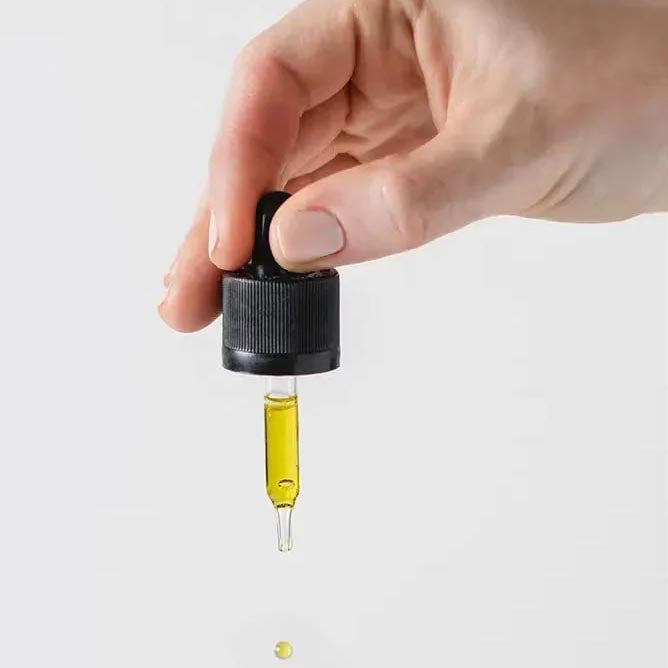
Hair oil can soften the look of frayed tips and reduce that dry, straw-like finish. One or two drops warmed between the palms is usually enough. Work it gently through the ends, then comb lightly. Too much oil can weigh the hair down and make damage look more noticeable. Used carefully, it adds shine and helps the last inch of hair appear smoother, calmer, and more controlled.
-
Tame the Final Details
A light mist of hairspray or a touch of finishing cream can tame flyaways and make ends look cleaner. Wearing waves or a sleek style? Finishing products help bring it all together for a polished, unified look. They do not erase damage, but they can disguise it well for a few hours. This approach is useful when you are between trims and want your hair to look deliberate, not tired.
Ways To Fix Split Ends Without Cutting Your Hair
It’s a common question: how do you banish split ends without giving up length? And it’s a completely valid concern.
-
Understand the limit
The most honest answer is that truly removing split ends requires cutting them off. Once the strand has split, the damage cannot be permanently fused back into a healthy tip. What you can do is improve the way the ends look and feel while slowing further breakage. That distinction matters. Temporary repair has value, especially if you are trying to preserve length until your next appointment.
-
Use sealing and bond-support products
Leave-in creams, bonding formulas, and split-end treatments can smooth the outer layer and help the ends behave better. They may not erase damage, but they can reduce roughness, tangling, and the visible look of fraying. NEU REPAIR TREATMENT MASQUE revives damaged hair and instantly infuses it with smoothness and glossy shine. The recipe is simple: apply from scalp to ends, leave on for two minutes, and rinse.
-
Choose dusting over a major cut
If your ends are visibly frayed but you want to keep your shape and length, ask for a dusting trim. This removes only the weakest tips rather than taking off a noticeable amount. It is one of the smartest ways to control damage without changing your haircut. A tiny trim now often saves more length later, because it stops the split from traveling farther up the strand.
FAQs
1. Can you really fix split ends?
If you are asking how to get rid of split ends permanently, the honest answer is no, not without trimming. Products can smooth, soften, and temporarily bind the damaged area so hair looks healthier. That improvement is real, but it is cosmetic rather than permanent. If the ends continue splitting soon after a trim, review your heat habits, brushing technique, and moisture routine.
2. How do I get rid of split ends without cutting them?
For those wondering how to get rid of split ends without cutting them, the best approach is a temporary one. Use a leave-in treatment, avoid heat for a while, condition deeply, and handle your hair with more care. You can make the ends look better and feel softer, but you cannot fully restore a split tip to its original condition. Think of it as managing damage until you are ready for a trim.
3. How do I stop getting split ends?
The best long-term strategy for how to get rid of split ends is to stop new damage before it starts. Reduce heat exposure, detangle gently, use a weekly mask, protect hair while sleeping, and stay consistent with trims. Healthy ends are usually the result of repeated good choices, not a single dramatic treatment. The more predictable your care routine becomes, the less often your ends will fray.
4. How can I remove my split ends at home?
When it comes to home care, less is more. You can lightly dust the very tips using sharp hair shears made for cutting hair, but avoid using household scissors, which can worsen fraying. Work slowly in good lighting and only trim what is clearly damaged. If the splits are widespread, a professional trim is usually the cleaner and safer option.
5. Does oiling hair prevent split ends?
Oiling can help prevent dryness, reduce friction, and improve softness, which may lower the chance of future splitting. It works best as support, not as a cure. A light layer of nourishing hair oil on the ends can be useful between washes, especially if your hair feels coarse or overstyled. Oil does not remove existing damage, but it can help keep the hair more flexible and less vulnerable to breakage.


