



Hair has a way of revealing stress long before real damage becomes visible. The shine softens first, followed by ends that begin to feel slightly uneven, as though the strands are no longer holding themselves together with the same ease. What once felt smooth starts catching against fingertips, tangling more often, and looking dull no matter how carefully it is styled.
This is usually where the conversation around "how to fix split ends" begins to take shape. It develops slowly through accumulated heat, dryness, friction, and chemical exposure that weaken the hair fiber over time.
According to Grand View Research, the global hair and scalp care market was valued at USD 88.20 billion in 2025 and is expected to reach USD 150.45 billion by 2033. As more consumers invest in intensive split-end treatment and restorative haircare routines, it becomes increasingly clear that healthier ends are shaped less by occasional trims and more by the daily condition of the hair.
What Are Split Ends, and What Causes Them At The Hair Shaft Level?
Split ends begin at the outermost layer of the hair strand, known as the cuticle. When the protective layer becomes weakened, the inner fibers underneath lose their support and begin separating gradually. What appears as a tiny split at the tip is often the final stage of accumulated stress that has been developing quietly for months.
Healthy hair behaves like a woven fabric. The surface remains smooth, flexible, and sealed. Damaged hair behaves differently. The strand starts losing cohesion, moisture escapes more easily, and the ends become increasingly fragile with every wash, brush, and styling session.
-
Excessive Heat Exposure
Straighteners, curling tools, and repeated blow-drying slowly dehydrate the hair shaft. Heat weakens elasticity and leaves the ends more vulnerable to cracking over time.
-
Aggressive Brushing Habits
Pulling through knots too quickly creates repeated friction along the cuticle. Small tears eventually develop into visible breakage.
-
Chemical Processing
Bleaching, coloring, and relaxing treatments alter the internal structure of the hair. The more compromised the strand becomes, the harder it is for the cuticle to stay intact.
-
Environmental Stress
Sun exposure, pollution, dry air, and hard water gradually roughen the surface of the hair, especially near the ends where protection is naturally weakest.
This is why split-end repair is rarely about one dramatic solution. Damage builds gradually, and recovery usually follows the same rhythm.
Reasons Why Trimming Alone Will Never Be Enough
A fresh trim creates relief almost instantly. The ends look sharper, softer, and healthier. Hair feels lighter again. But beneath that temporary improvement, the same stress patterns often continue untouched.
That is where the cycle begins repeating itself. Trimming removes visible damage. But healthier hair requires something deeper than removal alone.
1. Trimming Removes The Symptom, Not The Condition
A haircut cuts away frayed ends, but it does not strengthen the remaining hair shaft. If dryness, friction, and heat exposure continue afterward, new splitting starts again within weeks.
This is why people searching for "how to fix split ends" often feel frustrated. The problem is rarely limited to the ends themselves. It reflects the environment and daily stressors that the hair continues to experience over time.
2. The Hair Continues Losing Moisture Every Day
Hair naturally loses hydration through washing, sun exposure, indoor heating, pollution, and heat styling. Without replenishing that moisture consistently, the cuticle slowly becomes rough and brittle again.
Dryness changes the behavior of the strand entirely. Hair becomes less elastic, less resilient, and far more likely to crack under tension.
A trim cannot correct ongoing dehydration.
3. Friction Quietly Recreates Damage
One of the most overlooked causes of split ends is simple mechanical stress.
Cotton pillowcases, rough towels, and rushed detangling may seem harmless individually. But repeated friction can gradually wear away the hair's surface over time.
Even freshly cut ends can split again if daily handling remains harsh. Damage often begins long before it becomes visible.
4. Heat Styling Keeps Weakening The Hair Shaft
Heat tools create temporary smoothness. But repeated exposure gradually strips the hair of flexibility. The strand may appear polished externally while becoming weaker internally.
This is especially common when-
- Styling temperatures stay excessively high.
- Hair is heat-styled while still damp.
- Heat protectants are skipped inconsistently.
Over time, the ends become thinner, rougher, and increasingly fragile.
5. Hair Health Depends on More Than Haircare Alone
Stress, hydration, nutrition, and scalp condition all influence the strength of the hair fiber itself. When hair lacks strength from the start, the ends often struggle to remain intact despite regular trims.
This is where a complete split ends treatment approach matters more than isolated fixes.
Healthy ends are not maintained through cutting alone. They are maintained through preservation.
What Actually Helps: A Step-By-Step Treatment Protocol For Damaged Ends
Repairing damaged ends is less about urgency and more about consistency. Hair responds better to steady support than occasional aggressive treatments. The goal is not just to make the hair look smooth temporarily, but to help prevent the daily factors that contibute to ongoing damage.
Step 1 - Remove Existing Damage Gently
Start with a controlled trim to remove the most damaged ends before damage has a chance to travel further up the strand. Dusting hair also helps in maintaining length while targeting only weakened tips.
The intention is refinement, not drastic cutting.
Step 2 - Restore Moisture Before Anything Else
Apply NEU MOISTURE SHAMPOO that washes your hair gently without leaving it stripped or rigid afterward. Then, use conditioners rich in humectants and softening ingredients that improve flexibility within the strand.
Hair that bends softly is far less likely to snap.
Step 3 - Introduce Protein Support Carefully
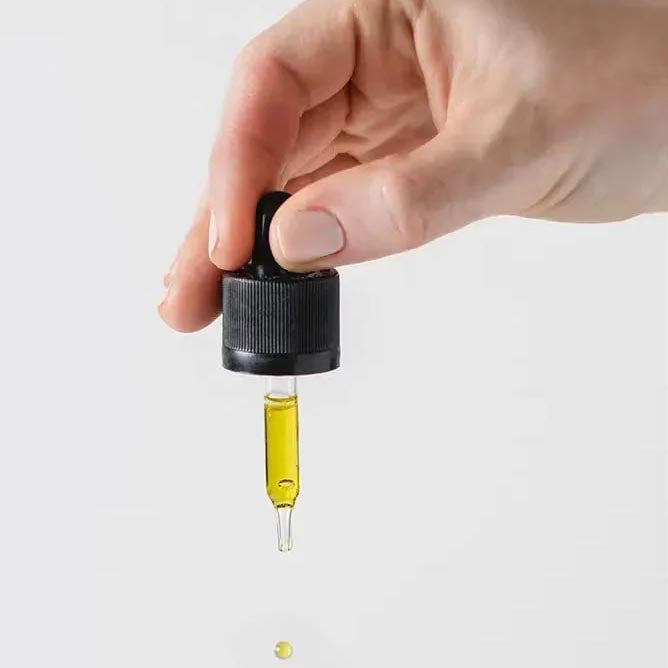
Damaged strands often lose structural proteins over time. Products that include argan oil and shea butter may help strengthen the weakened areas. Use NEU MOISTURE ARGAN OIL to keep your hair shiny and healthy.
But balance matters here. Too much protein without enough moisture can leave hair feeling stiff instead of healthy.
Step 4 - Protect The Ends Daily
Lightweight oils, leave-ins, and serums help reduce friction around vulnerable areas of the hair. They cannot permanently "heal" split ends. But they create softness and reduce further tearing throughout the day.
This protective layer becomes important during brushing and styling.
Step 5 - Reduce Heat Wherever Possible
Lower styling temperatures gradually. Allow the hair to air-dry partially before blow-drying. Use heat intentionally instead of automatically.
Hair usually begins improving once stress stops exceeding recovery.
Daily Habits That Prevent Split Ends From Coming Back
Hair health is shaped quietly through repetition. Small habits practiced consistently often influence the condition of the ends far more than occasional treatments do.
To genuinely prevent split ends, the focus has to shift from correction to protection. Some habits that make a visible difference include-
Dry Hair More Gently
Replace rough towels with microfiber fabric or a soft cotton T-shirt. Wet hair is far more fragile than dry hair and reacts poorly to friction.
Detangle With Patience
Begin brushing from the ends upward instead of forcing knots downward from the roots. Gentle tension preserves the integrity of the cuticle.
Sleep On Softer Surfaces
Silk or satin pillowcases reduce friction while you sleep, helping hair stay smoother and less tangled by morning. It's a simple switch that preserves softness over time.
Avoid Constant Tight Hairstyles
Repeated tight styling creates ongoing tension on the same strands. Over time, this weakens the hair near the ends and hairline, without you noticing it immediately.
Keep The Ends Hydrated
Light oils and leave-in products help maintain softness at the ends. They reduce dryness from styling and the environment. It keeps hair smoother and more manageable between washes.
Takeaways On Managing Split Ends The Right Way
Split ends are usually a signal that the hair has been carrying more stress than support for too long. Trimming helps remove visible damage, but healthier hair depends on what happens between those trims.
The real shift occurs when care becomes preventative instead of reactive.
Once moisture, protection, and gentler handling become consistent, the hair begins responding differently. It becomes softer, smoother, and less prone to breakage.
| Hair Concern | What Actually Helps |
|---|---|
| Frayed or uneven ends | Regular trims or dusting of hair |
| Dry, rough texture | Moisture-focused haircare |
| Heat-related weakening | Lower temperatures + heat protection |
| Frequent tangling | Gentle detangling methods |
| Ongoing breakage | Balanced moisture and protein care |
| Friction damage | Silk fabrics and softer handling |
Real split-end repair rarely happens overnight. More often, it is the result of consistent, gentle care practice day after day.
FAQs
1. Can split ends be repaired without cutting them?
Not really. Once the strand splits, it can't fully heal. Products can smooth and soften, but trimming is still needed. Good care just slows down from new damage.
2. How often should you trim hair to prevent split ends?
Every 8-12 weeks works for most people. If you heat-style or color often, you may need it sooner. Dusting hair helps remove tiny damaged ends without losing length.
3. Does oiling hair help reduce split ends?
Oil won't repair splits, but it reduces dryness and friction. It keeps ends softer, smoother and less likely to worsen with daily styling.
4. What ingredients in products actually help with split ends?
Look for keratin, ceramides, amino acids, argan oil, and proteins. They help smooth the cuticle and improve strength in split-end repair routines.
5. Why do I keep getting split ends even after regular trims?
Trimming doesn't stop damage. Whereas heat, brushing, and dryness keep weakening hair. To truly prevent split ends, daily care matters more than the cut.


