



Have you ever wondered if your hair had a personality hidden beneath its shine? Not loud or obvious, but quietly deciding how every drop of moisture is welcomed or turned away. This secret language is also called hair porosity. Some strands, especially for low porosity hair, keep their cuticles tucked close, where hydration has to knock a little longer before it is let in.
Other strands drink deeply but forget just as quickly. Now, the real deal is that hair porosity is crucial. Studies suggest that almost 50% of the population suffers from alopecia, and a major reason for it is the way your hair absorbs moisture.
At last, the guessing game ends. It’s time to treat your hair with the care it truly deserves!
What is Low Porosity Hair?
Low porosity hair is strictly defined as resistant, but it is more precise to call it selective. The cuticles lie flat and tightly packed, forming a smooth surface that slows down the entry of moisture.
Water tends to linger on the outside before it is absorbed, which also means that products have to sit on the strands rather than sinking in. This structure retains hydration once it is inside, which also means that low porosity hair benefits from lighter formulas and a patient approach to care.
How To Tell if You Have Low Porosity Hair
1. Your hair might be dropping tiny clues every day with its behavior. Low porosity does not announce itself out loud but leaves patterns in how it reacts to water, products and styling. These subtle signals are craving for your attention so that you can identify what your hair truly needs.
2. Water tends to sit on your hair instead of soaking in quickly, often forming droplets before slowly absorbing. This is a common occurrence when your cuticles are too tightly packed with each other.
3. Haircare products feel like they are sitting on top of the hair, rather than simply blending in seamlessly. You might sense a coated or heavy sensation afterwards, which might feel irritating at first.
4.Buildup in your hair happens easily, especially with heavier creams or oils. Again, this might make your strands feel weighed down and lacklustre.
5.Then ultimately, when moisture finally gets in, your hair tends to retain it well and stays hydrated for longer periods.
Is Low Porosity Hair Good Or Bad?
Low porosity hair is neither a flaw nor a blessing in disguise; it simply means that your hair has a separate rhythm of care. Its tightly sealed cuticles can make moisture feel like a reluctant guest, slow to arrive but generous once welcomed. At times, your hair might seem to be cooperative, especially when products sit on the surface instead of melting in.
Yet, with the suitable approach, lighter textures, gentle warmth and patience, low porosity hair gradually reveals its strength. At the end of the day, it is not about good or bad but more about learning the language your hair speaks and then, meeting it there through understanding.
What Causes Low Porosity Hair?
Low porosity hair rarely happens without a reason, though its causes are often quieter. From inherited structure to the way you treat your strands over time, several factors shape how tightly the cuticles lie. Here’s what has been influencing your hair all along to act this way:
1. A Matter of Genetics
For most people, low porosity hair begins as an inheritance rather than a condition. The cuticles lie naturally compact and neatly aligned, forming a surface that’s smooth yet resilient.
However, this structure in itself is not a flaw but a built-in characteristic that determines how moisture is received. At the same time, it also explains how some hair seems glossy so effortlessly yet behaves reluctantly to absorb products.
2. Minimal Structural Disruption
Hair that has not been frequently exposed to chemical treatments or excessive heat also exhibits this tightly sealed cuticle pattern. When there is no history of repeated lifting or damage, the strands remain intact and less porous. In this sense, low porosity hair can reflect a past of gentler handling, conveying that the structure has stayed true to its original form.
3. Product Buildup Over Time
Sometimes, what feels like low porosity is actually compounded by residue. The presence of heavy creams, oils, or silicones on the surface creates an additional barrier that makes absorption even slower. As time progresses gradually, this buildup can start mimicking or intensifying the signs of low porosity, making your silky strands appear more resistant than they naturally are.
What are the Best Products for Low Porosity Hair?
Products for low porosity hair do not necessarily have to be about abundance. These strands might act choosy and do not welcome everything; only what arrives gently and with purpose. When you learn to offer light and thoughtful care, the hair starts to respond with softness and a gleam that feels perfectly effortless!
Lightweight Hydration That Slips In Gently
Low porosity hair will never respond well to something that comes in excess. Thus, you have to give it hydration that feels almost invisible, with a formula that glides in smoothly. Water-based products, light mists and fluid serums tend to work hand in hand with tightly sealed cuticles. Something like the NEU MOISTURE INSTANT FIX is a natural for this approach, offering a quick layer of hydration without having your strands in a chokehold.
Oils That Seal, Not Suffocate
While heavy oils can linger for a long time without absorbing, lighter oils are your best friend once moisture has made its way in. The ultimate key is restraint and selection.
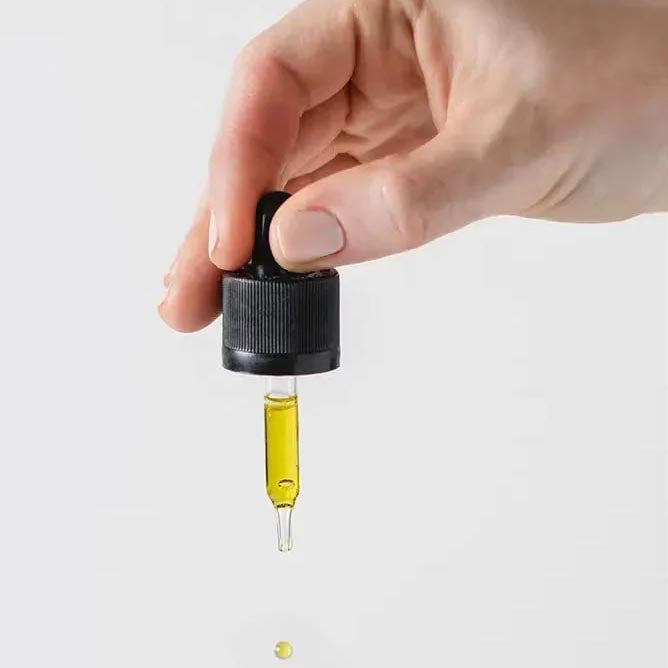
Just a few drops of something refined, such as the NEU MOISTURE ARGAN OIL, can smooth the surface and lock in hydration without turning the hair heavy or coated. Here, it becomes less about coating the strand and more about preserving the treasure that is already in there!
Targeted Repair Without Buildup
Your low-porosity hair will thank you for treatments that restore balance without weighing it down. Leave-in products should feel light and breathable—almost like a second skin for each strand. A formulation like NEU REPAIR LEAVE-IN TREATMENT can be your go-to, since it brings conditioning and repair while still respecting the hair’s natural resistance.
In the end, the best products are the ones that understand restraint, working with your hair gently rather than forcing their way through.
How to Care For Low Porosity
Caring for low-porosity hair begins with understanding its quiet nature and what is porous hair at its core. It is not resistant without reason; only selective in what it accepts. When care becomes measured and affectionate, your hair responds with a softness that feels earned rather than forced.
1. Cleanse Without Stripping the Surface
Low porosity hair thrives when cleansing feels like a reset, but not a reset button that has been pushed too hard! Gentle shampoos lift the buildup without disrupting the natural balance of the scalp and strands. When this residue is kept in check, the hair becomes more receptive, less guarded and far easier to work with.
2. Invite Moisture With Subtle Warmth
Tightly sealed cuticles respond well when there is a little warmth, both in the manner you handle them and with the water you wash with. Lukewarm water, steam or a warm towel can soften the hair’s surface, letting moisture slip in easily. Instead of a dramatic shift, it behaves as a quiet opening, but like one that makes hydration far more effective.
3. Layer Light, Not Heavy
Care for low porosity hair is an exercise in restraint. Lightweight water-based products can be layered mindfully, where each has to be absorbed before the next is introduced. Heavy creams and thick oils can stay on without purpose, but lighter textures work their magic through the strands instead of sitting on them.
4. Be Consistent, Not Excessive
Consistency is something that will shape results more than intensity ever will. A harmonious rhythm of gentle cleansing, hydration and minimal buildup allows the hair to maintain its balance persistently. Low porosity hair does not need to be overwhelmed into cooperation; it will only respond best when care feels special and attentive.
How Does It Differ from High Porosity?
Hair can hold moisture in varying ways, and this is only evident when you look at the contrast between low and high porosity hair. While one resists skilfully but then preserves, the other welcomes and releases.
|
Aspects |
Low Porosity Hair |
High Porosity Hair |
|
Cuticle Structure |
Cuticles tend to lie flat and tightly sealed, creating a smooth and resistant surface. |
Cuticles are raised or open, which means there is easy movement of moisture in and out. |
|
Moisture Absorption |
Water takes time to penetrate and often sits on the surface first. |
Moisture is absorbed quickly or almost instantly. |
|
Moisture Retention |
Holds onto hydration once absorbed and locks it in for longer periods. |
Struggles to retain moisture, resulting in frequent dryness. |
|
Product Behavior |
Products might sit on the hair, causing buildup if they are too heavy to be absorbed. |
Products might absorb quickly, but might require layering for prominent results. |
|
Common Concerns |
Buildup, slow absorption, products feeling heavy. |
Frizz, breakage, dryness and fading of color. |
|
Care Approach |
Lightweight formulas and gentle heat to aid absorption. |
Focus on sealing moisture with richer products and repairing damage. |
FAQs
1. Is argan oil good for low porosity hair?
Argan oil feels almost tailored for low porosity hair when used with restraint. Its lightweight nature lets it sit softly rather than heavily, adding shine and moisture to seal the deal. A few drops are generally enough, turning hydration into an elixir that the hair can preserve.
2. Is coconut oil good for low porosity hair?
Coconut oil might be a bit too complicated for low porosity hair. Its richness often sits on the surface and gives the strand a coating instead of true nourishment. For some, it works in very small amounts, but for many, lighter alternatives feel harmonious and less forced.
3. How to moisturize low porosity hair naturally?
Natural moisture is something that only comes with gentleness; lukewarm water, light hydration from water-based products and subtle warmth of steam can open the hair cuticles just enough to feel nurtured. Then follow it with a light oil to seal it in. With low porosity hair, simplicity is often the most effective ritual.


