














Quick question. When did you buy the brush that's sitting in your bathroom drawer right now? If you had to think about it, or the answer is "somewhere around the last apartment," keep reading.
Most of us replace our phones, toothbrushes, and even our socks more often than the tool that touches our hair every single day. How often should you replace your hairbrush? Less often than your toothbrush, more often than you probably think.
How often should you replace your hairbrush: the short answer
According to Mona Dermatology, you should plan to replace a hairbrush about every 6 to 12 months, depending on how often you use it and how well you look after it. A brush you grab twice a day and never clean is on the short end. One you rinse regularly and use lightly might hang on longer.
That's the range. Now let's talk about the signs that tell you your own brush is done, because the calendar is only half the story.
How often should you change your hair brush if you have thick or curly hair
Thick, curly, and coily hair puts more stress on bristles. Every pass through a dense head of hair bends, pulls, and wears them down. If that's you, how often should you change your hairbrush? Lean toward the six-month side, especially if you brush daily.
Fine, straight hair is gentler on tools, so you can usually stretch it. But whatever your texture, the condition of the brush matters more than the date you bought it.
Signs your hairbrush has gone past its prime
Look at the bristles first. Bent, frayed, or missing ones are a red flag. Mona Dermatology also points to worn protective tips, which leave rougher bristle ends that can irritate your scalp and snag hair. Bristles that have lost their shape tend to tug more than they glide.
Next, check for gunk. If you can't get buildup out of the base no matter how much you scrub, that's a clue it's time. Cracks in the handle or cushion, loose pads, and a musty smell count too.
And then there's the breakage test. Put the two together, and you get a better answer to how often should you replace your hairbrush than any calendar can give. If you're finding more snapped hairs in the bristles than usual, the brush may be the culprit rather than your hair.
How often to replace hairbrush types made of different materials
Not all brushes age the same way. Plastic paddle brushes tend to crack or lose their cushion. Boar bristle brushes can hold oil and need more frequent cleaning, though natural bristles may last a while if cared for. Wooden brushes can warp with water exposure.
That's why when you ask how often to replace hair brush models you own, factor in material, how you clean it, and how rough your daily use is. A single rule won't fit everybody.
Why a dirty or worn brush matters
A brush collects more than hair. It picks up oil from your scalp, dead skin cells, dust, and leftover styling products. Then it redistributes all that onto your hair and scalp every time you brush. Nobody wants to rub yesterday's buildup into today's clean hair.
Worn bristles add a mechanical problem on top. They snag, scrape, and yank, which can cause breakage along the lengths and frizz at the ends. If your hair seems to be getting rougher and you can't figure out why, check the brush before you blame the shampoo.
How often should you get a new hair brush if you clean it regularly
Good cleaning extends the life of a brush, but it doesn't make it immortal. Mona Dermatology recommends removing trapped hair after each use or at least every few days, and washing the brush every one to two weeks. A small brush or an old toothbrush helps you reach between bristles, and a full air-dry keeps mildew away.
If you follow that, how often should you get a new hair brush? Closer to a year than six months, in most cases. The key phrase is most cases, so keep watching for those warning signs.
How often should I replace my hair brush if I share it
Ideally, you shouldn't share one at all. A brush carries oils and, sometimes, scalp conditions from one head to the next. If a family brush is a reality, clean it more often and replace it sooner. The same goes for brushes at the gym or in your carry-on, since they travel through more environments.
Choosing a better tool when you do replace it
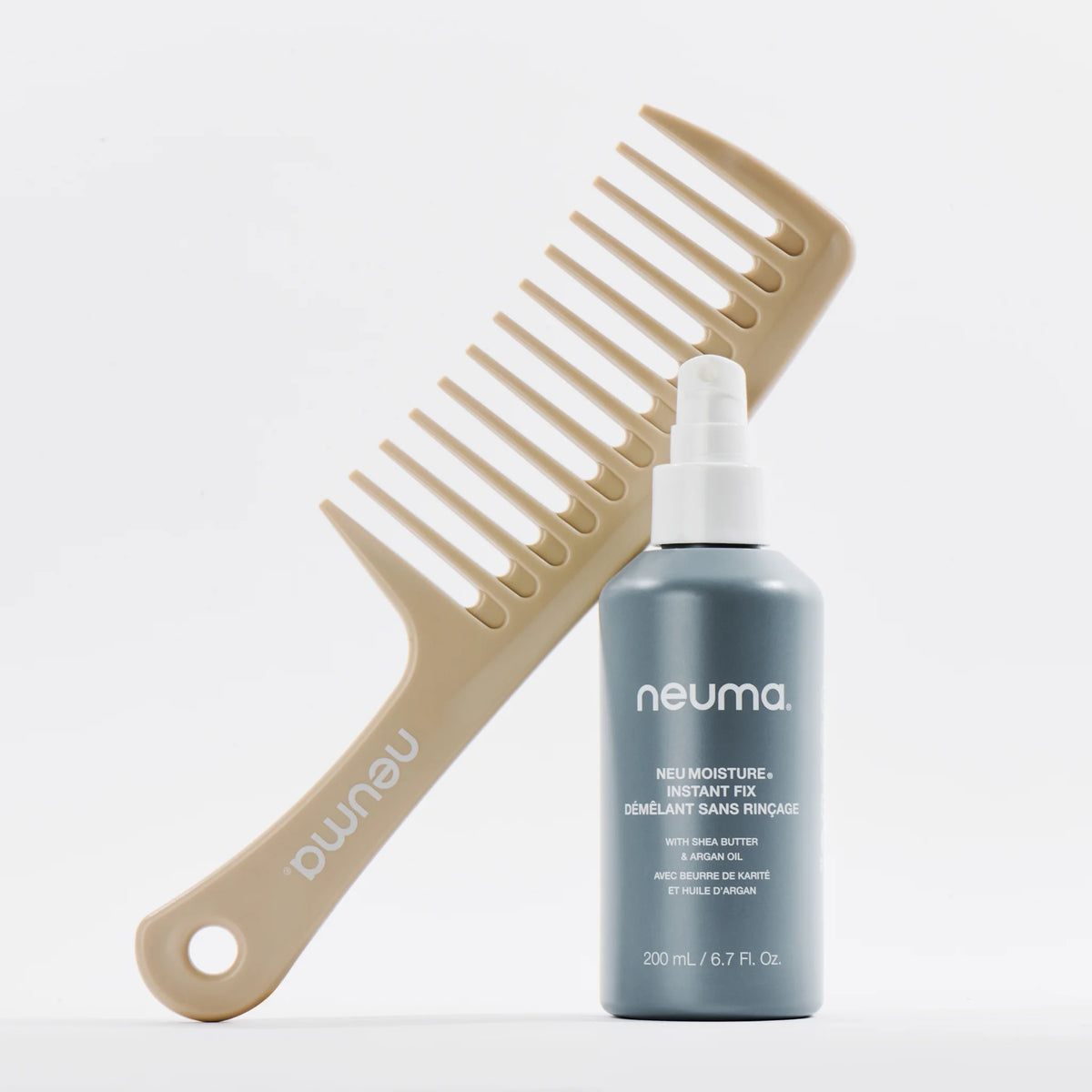
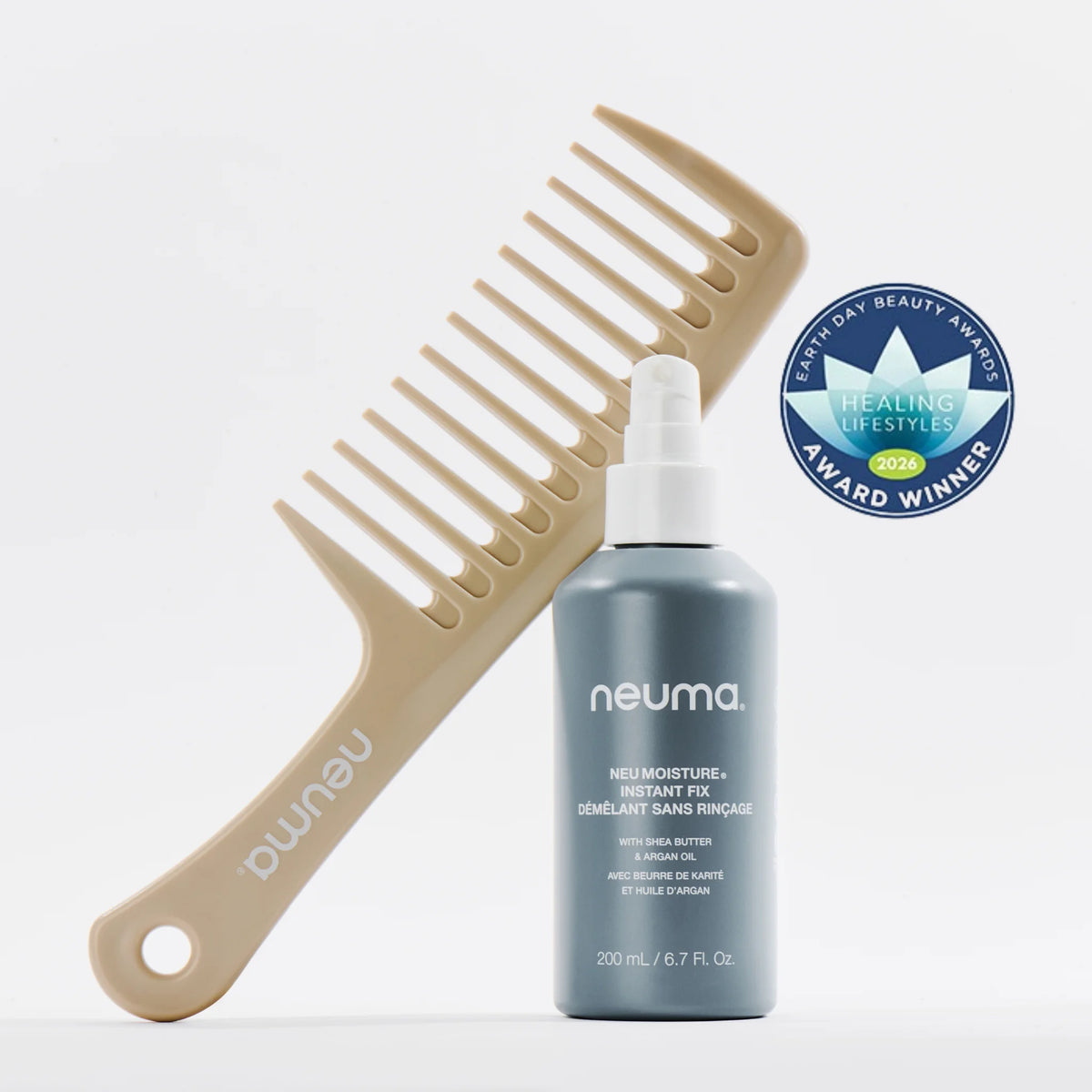
When it's time for a swap, consider switching tools. A wide-tooth comb like the Neuma Comb is gentler on wet hair than a stiff brush, and it detangles without ripping through knots. Plenty of people use a comb in the shower and a soft brush on dry hair.
Whatever you pick, look for smooth, rounded bristle tips and a sturdy base. Anything that scrapes your scalp isn't doing you any favors.
Pairing a fresh brush with a cleaner wash routine
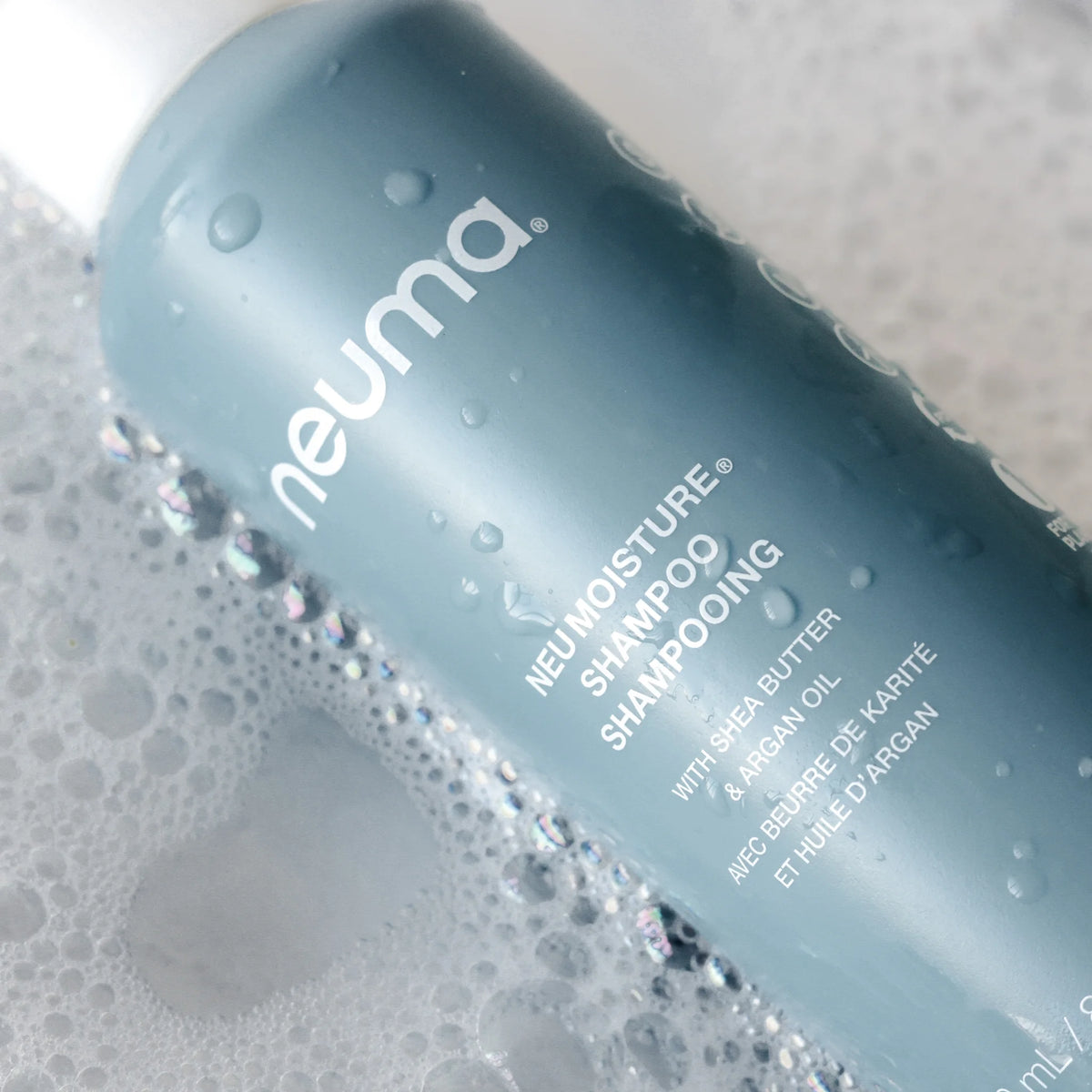
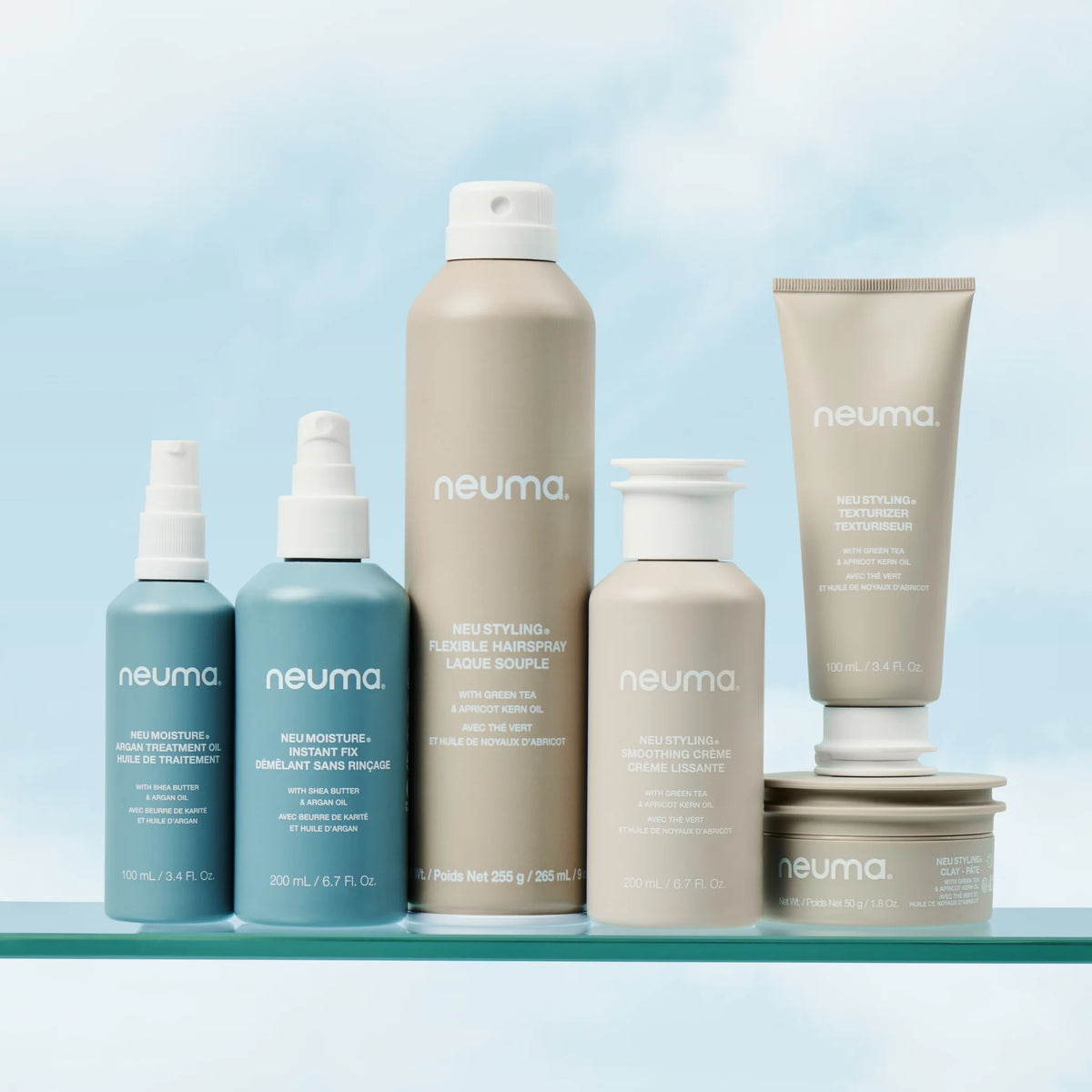
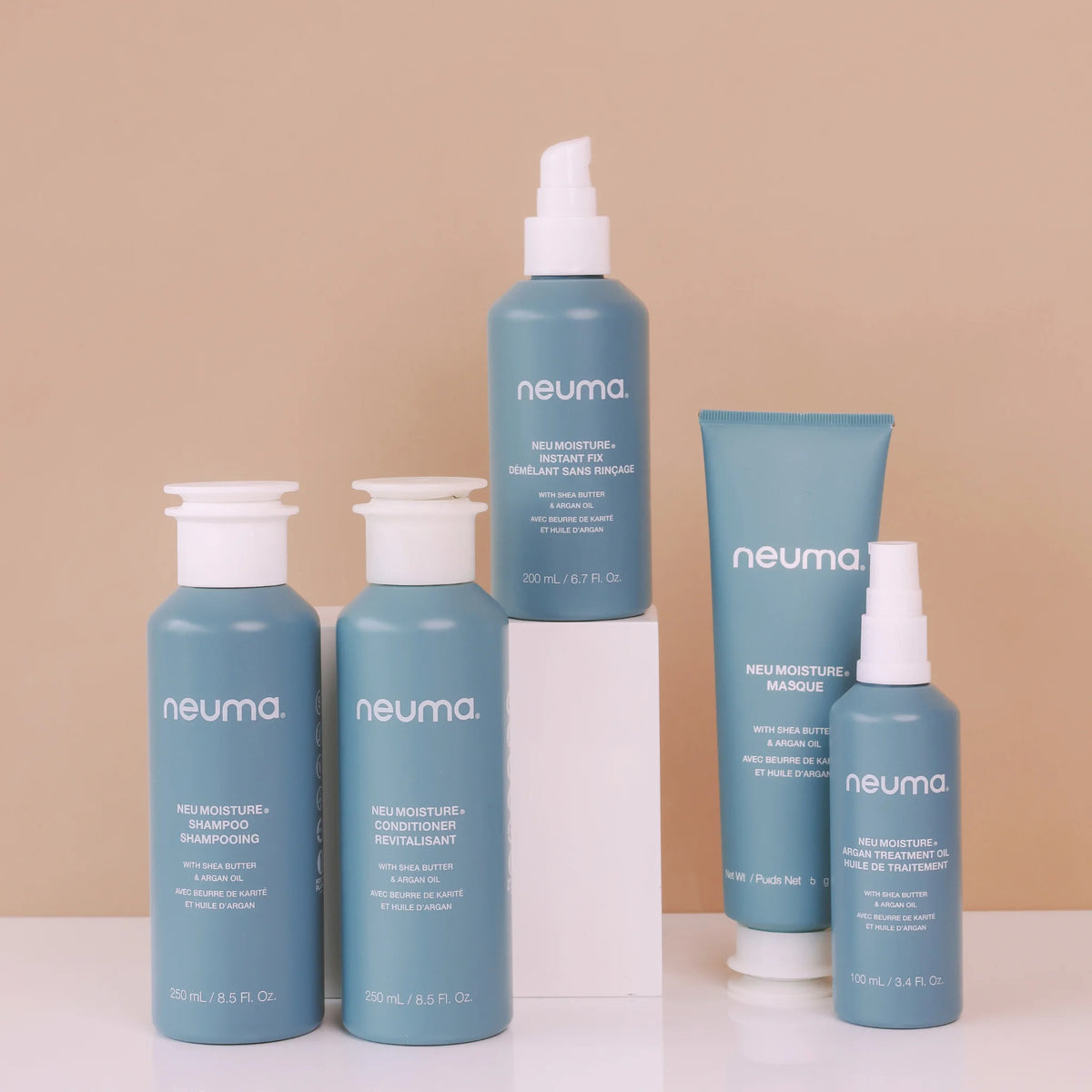
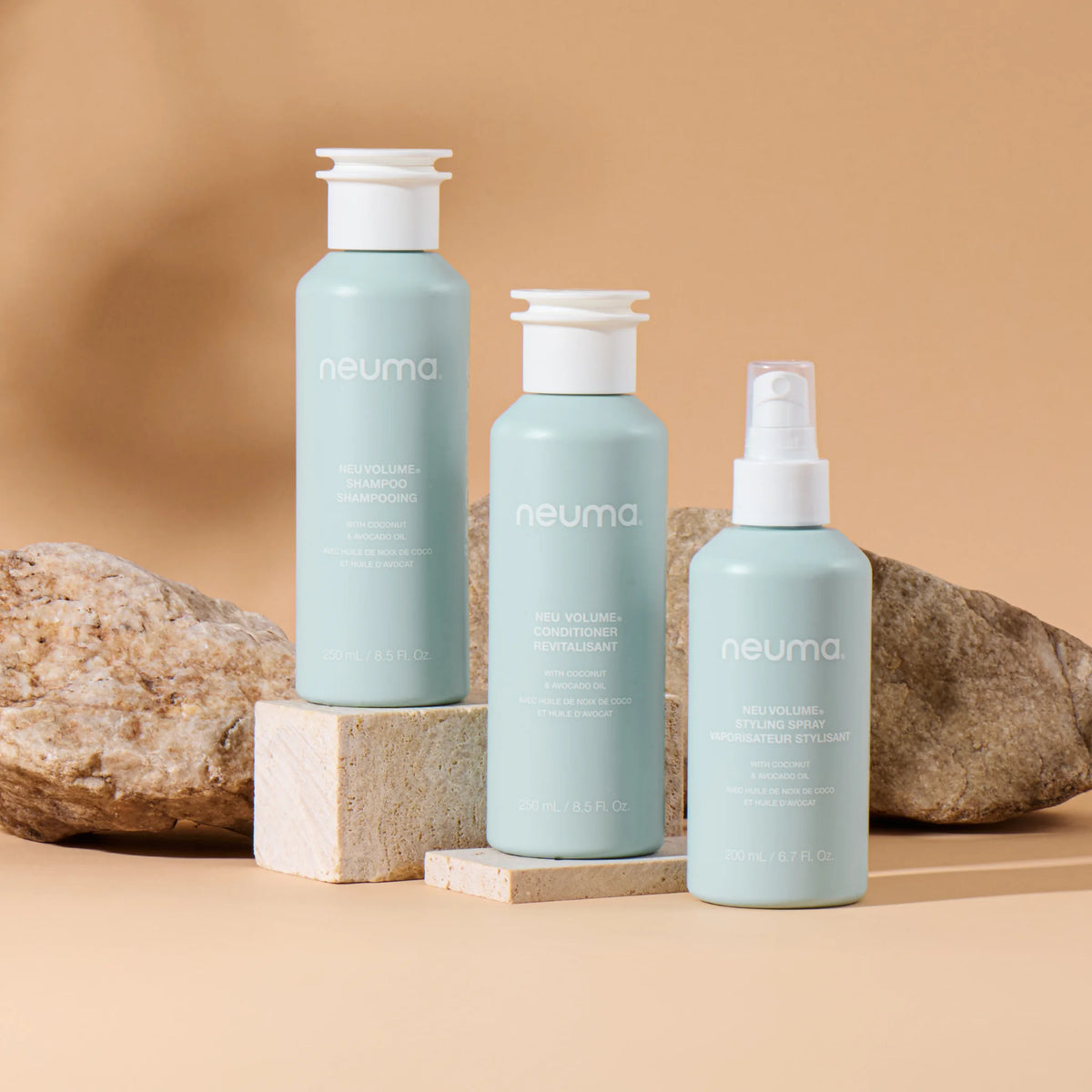
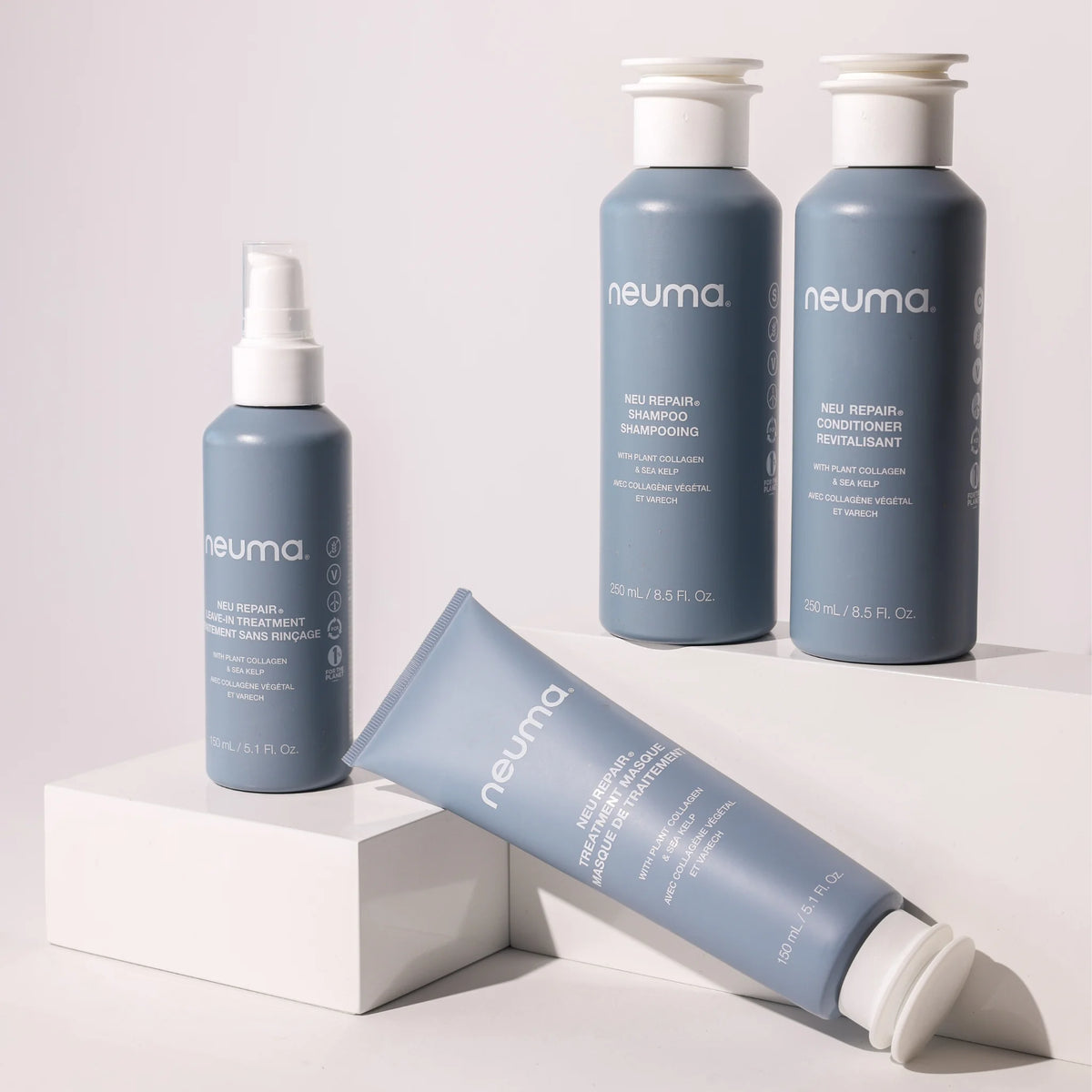
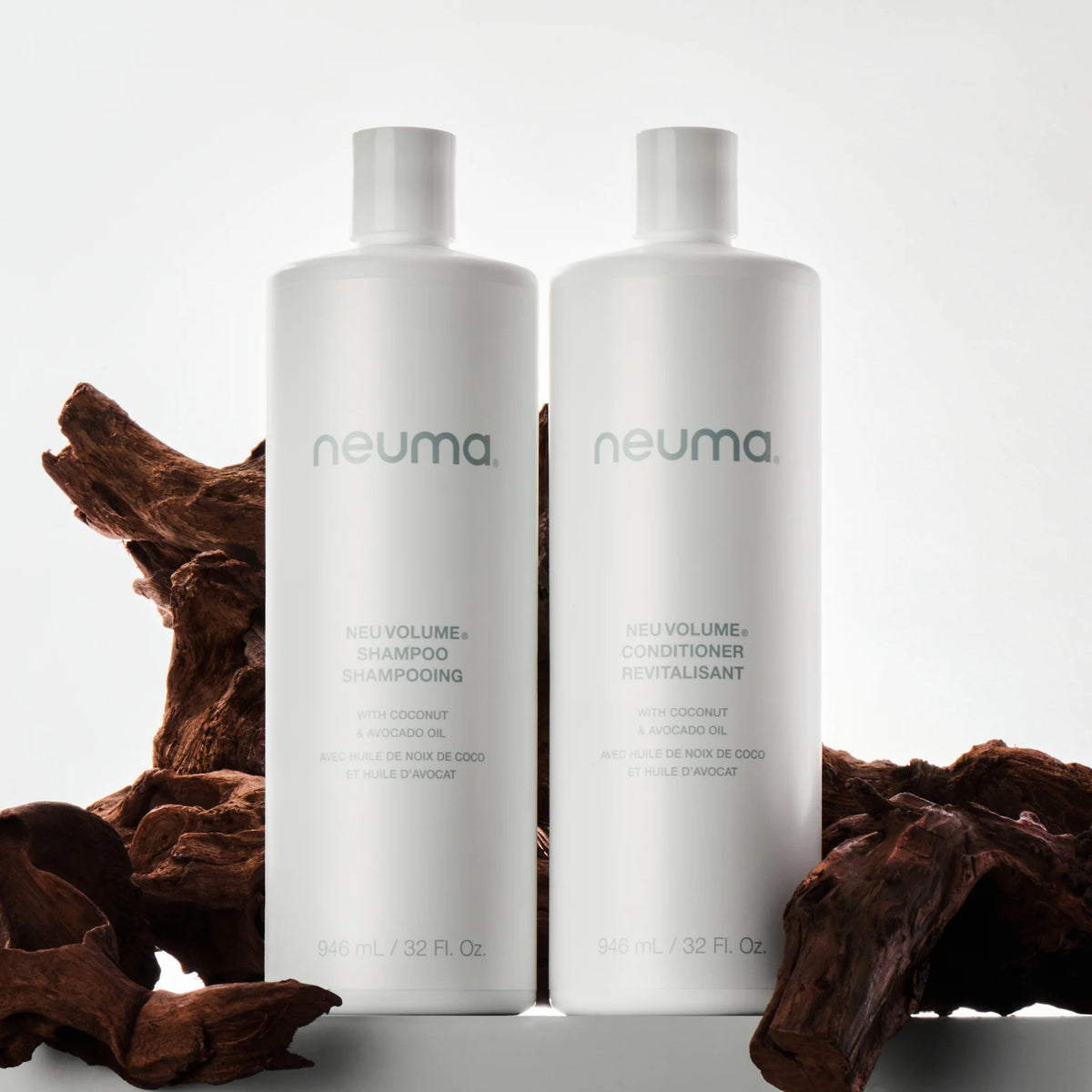
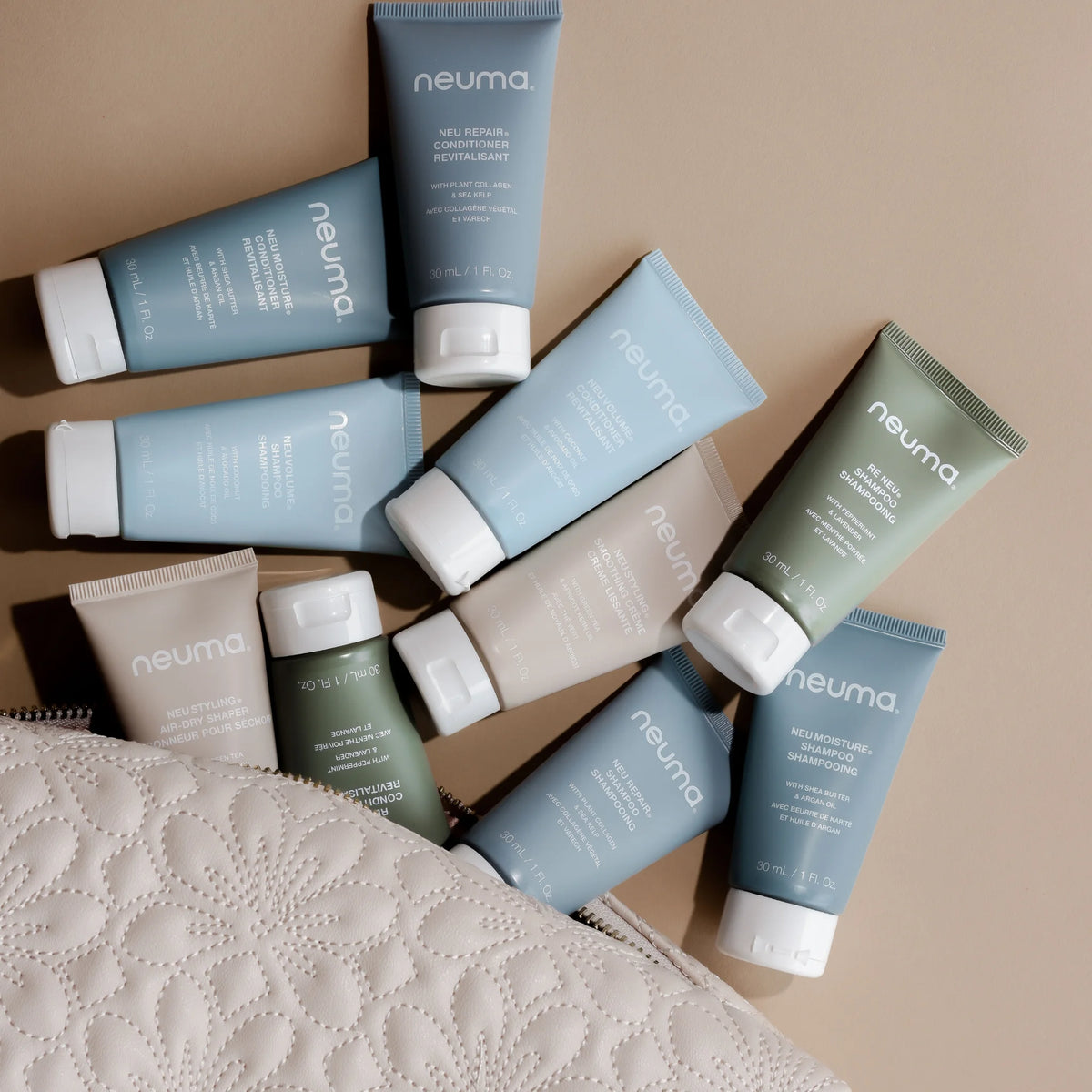
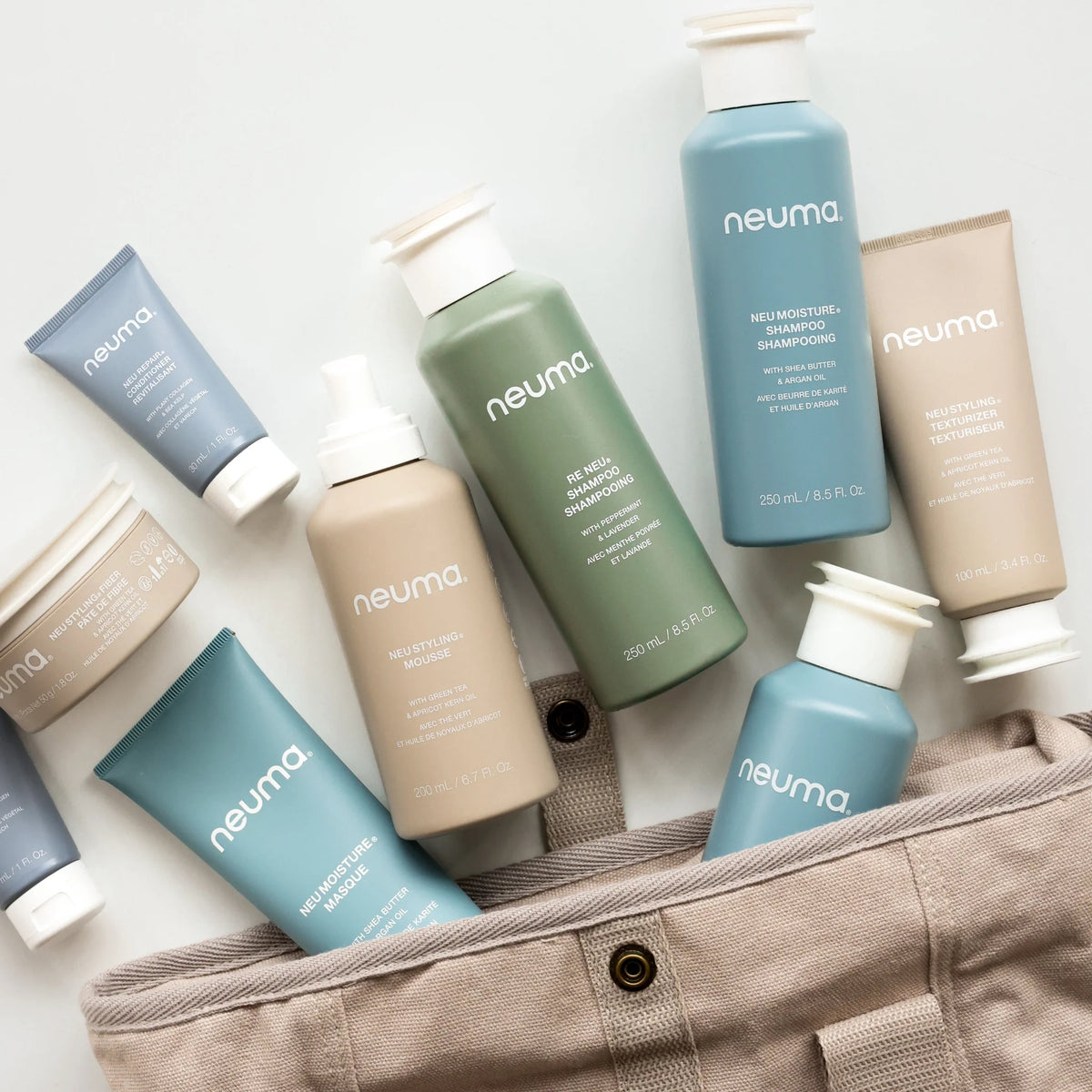
A new brush can't fix a heavy buildup problem on its own. Neuma's shampoos are sulfate-free and made without harsh stripping agents, so they clean without leaving hair rough. Dry, thirsty hair tends to like the Neu Moisture Shampoo, while fine hair that gets flat often prefers the Neu Volume Shampoo.
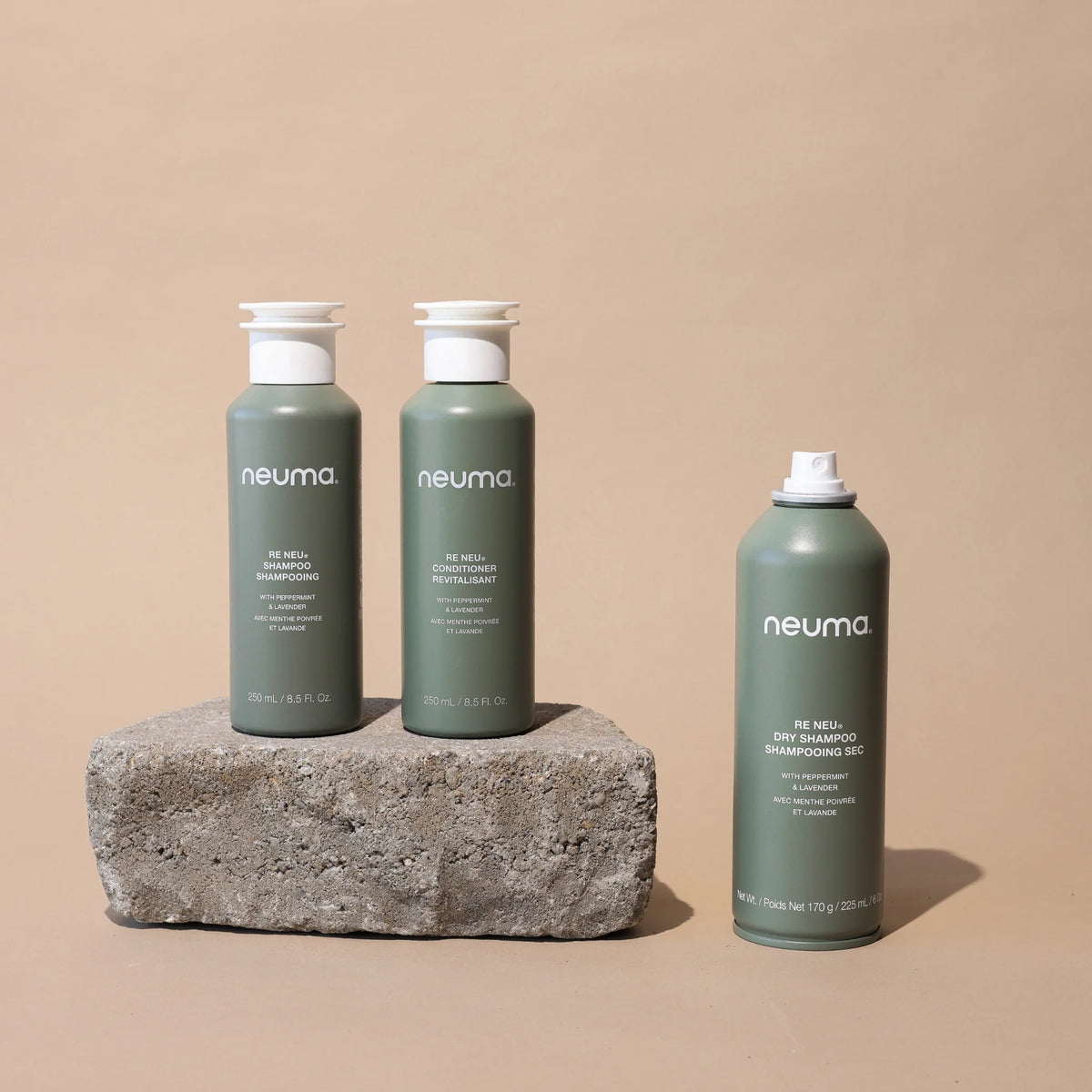
If your hair is color-treated, chemically processed, or just needs a gentle reset, the Re Neu Clarifying Shampoo is worth a look. Cleaner hair means less product transferring to your brush, and your brush stays fresher longer.
A simple replacement habit that actually sticks
Pick a date. Seriously. Tie it to something you already do, like the first day of a new season or your birthday. When it rolls around, inspect the brush. If it looks tired, replace it. If it looks great, mark the next date and carry on.
Better yet, keep a spare so you're never stuck using a worn one while you wait for a delivery.
The question of how often should you replace your hairbrush gets much easier when it's a scheduled habit instead of a guess.
Gym bags, travel kits and the brush you forgot about
Spare brushes live hard lives. The one rattling around a gym bag collects sweat, lint, and who knows what else. The travel brush in your suitcase might be five years old and still going strong, simply because you forget it exists. Give those the same inspection you give your main brush, and replace them when they look tired.
Bristles that stay damp, even a little, grow bacteria and mildew. Dry them completely before zipping them back into a bag.
Frequently asked questions
Can I just wash my brush instead of replacing it?
Washing helps, but it doesn't fix bent or worn bristles or a degraded base.
How often should you replace your hairbrush if you rarely use it?
Even lightly used brushes collect residue and age. Check it yearly at the latest.
Does the type of hair I have change the schedule?
Yes. Thick and curly hair usually wears brushes faster than fine or straight hair.
Is it okay to use a brush with a few bent bristles?
A couple of bent ones may be fine. Several, plus snagging, means it's time.
How often should you replace hairbrush bristles on a boar brush?
Natural bristles can last a long while with careful cleaning, but retire the brush once they flatten, split or shed.
Do combs need replacing too?
Yes, though they usually last longer. Replace them if teeth chip or snap, since sharp edges can scratch your scalp.
Conclusion
So, how often should you replace your hairbrush? Every six to twelve months is the general rule, sooner for thick hair and heavy use, later for light use and careful cleaning. Your own eyes are the best judge.
A fresh brush is one of the cheapest upgrades in your whole routine. Swap it out, keep it clean, and your hair will thank you with less breakage and a happier scalp.
Sources: Mona Dermatology: when and why you should replace your hairbrush


