The Best Sulfate Free Shampoo for Frizzy Hair Fixes the Cause, Not the Surface
Most shampoos marketed for frizzy hair do not fix frizz. They coat it. Silicones and heavy synthetic ingredients create a temporary smooth layer that looks good for a few washes, then builds up on the cuticle, traps moisture, and leaves hair drier and frizzier than before. The frizz comes back worse and the cycle continues.
NEUMA shampoos for frizzy hair take the opposite approach. Plant-based ingredients that smooth the cuticle from within, restore what frizz actually depletes, and get more effective with consistent use rather than less.
What Is Actually Causing Your Frizz?
Frizz has different causes, and each one calls for a different shampoo.
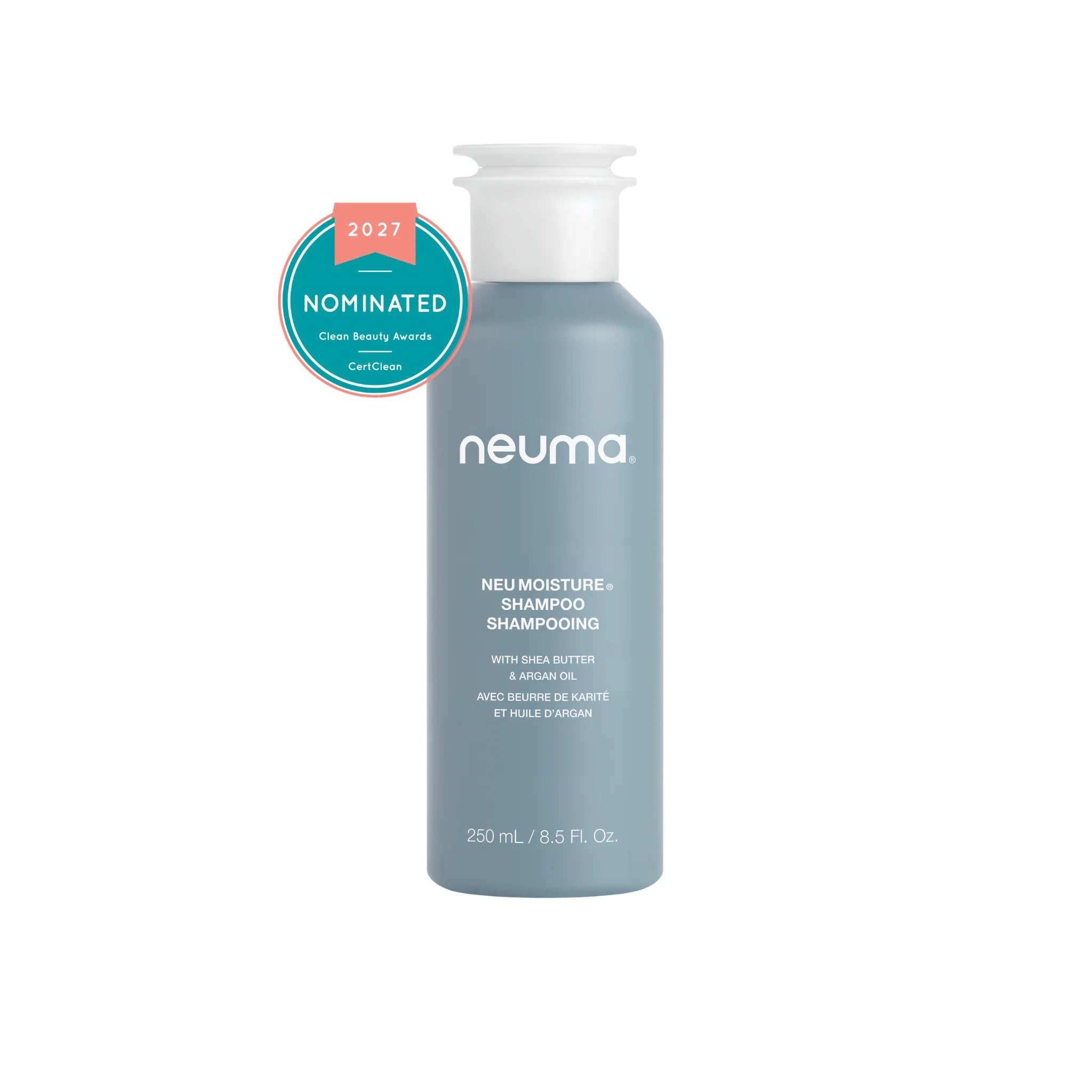
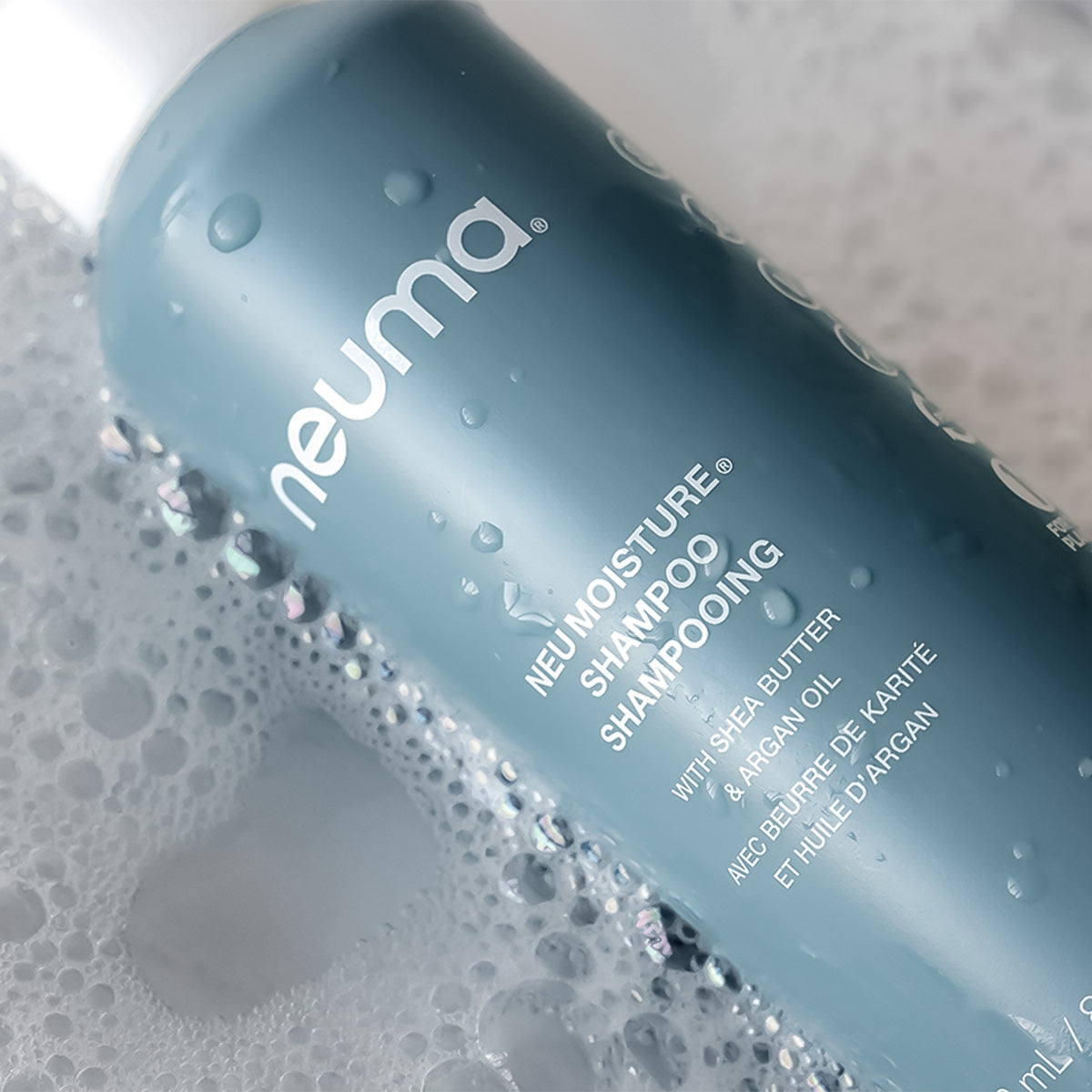
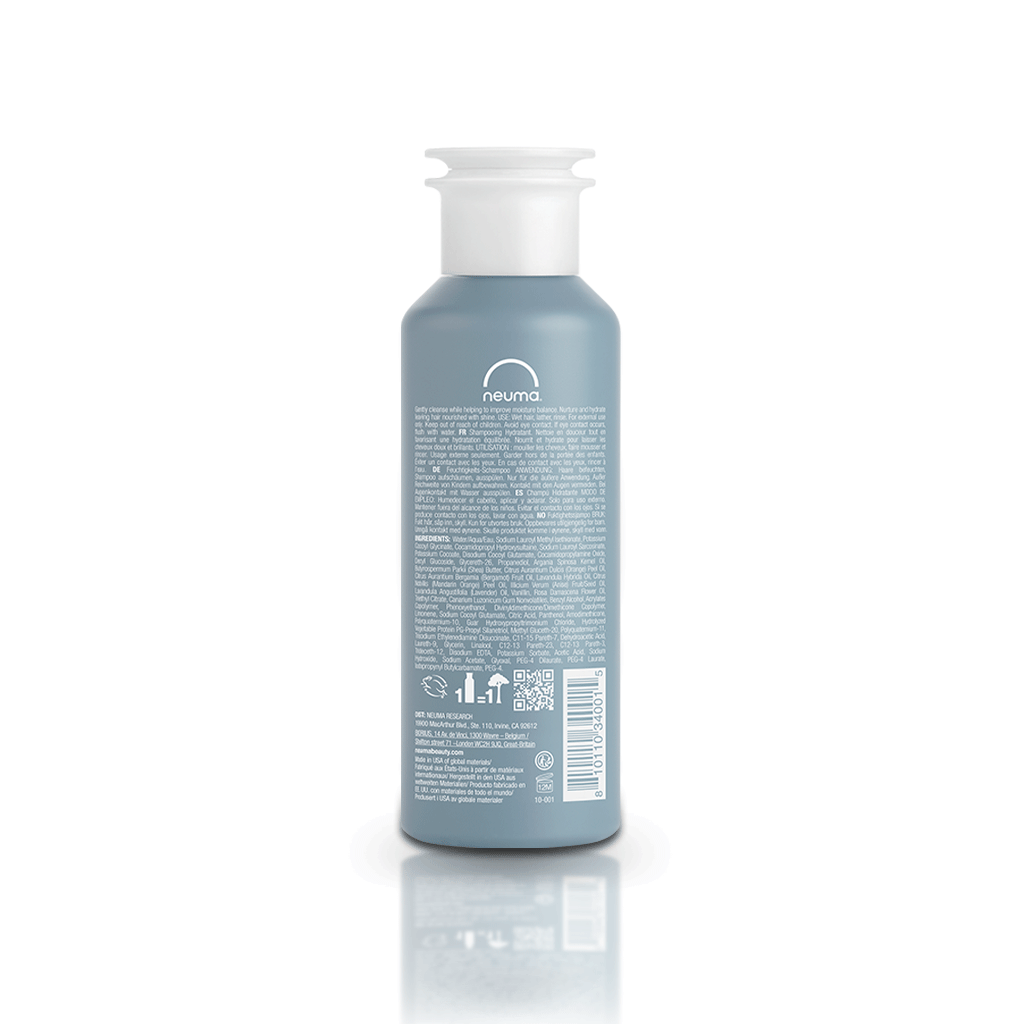
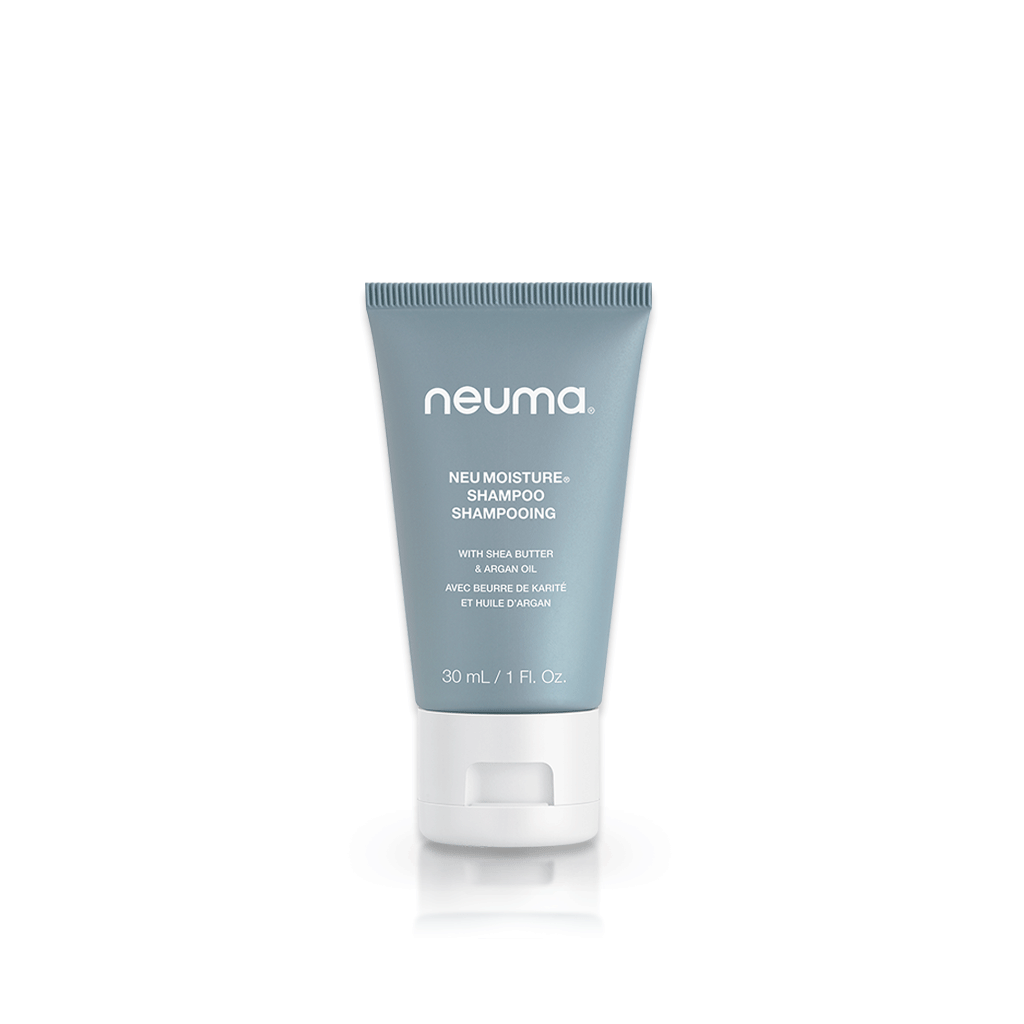
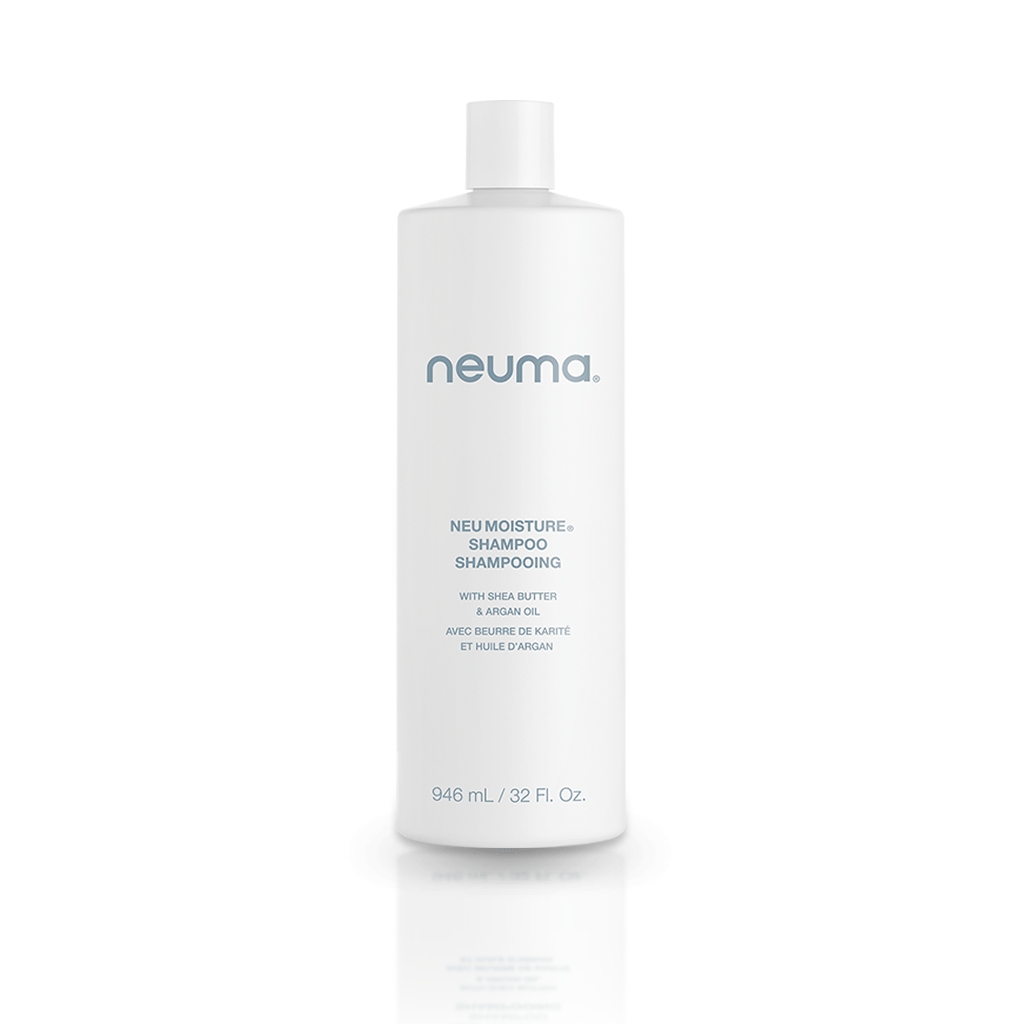
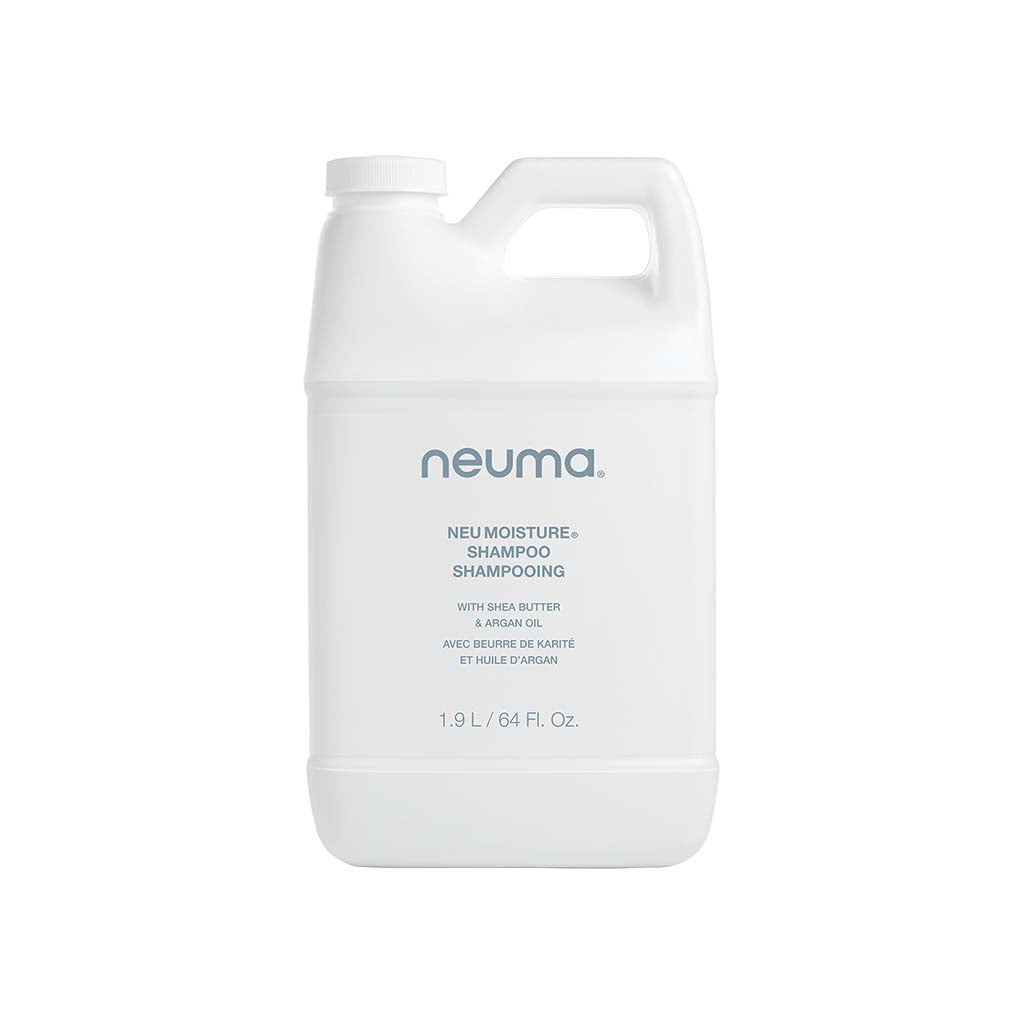
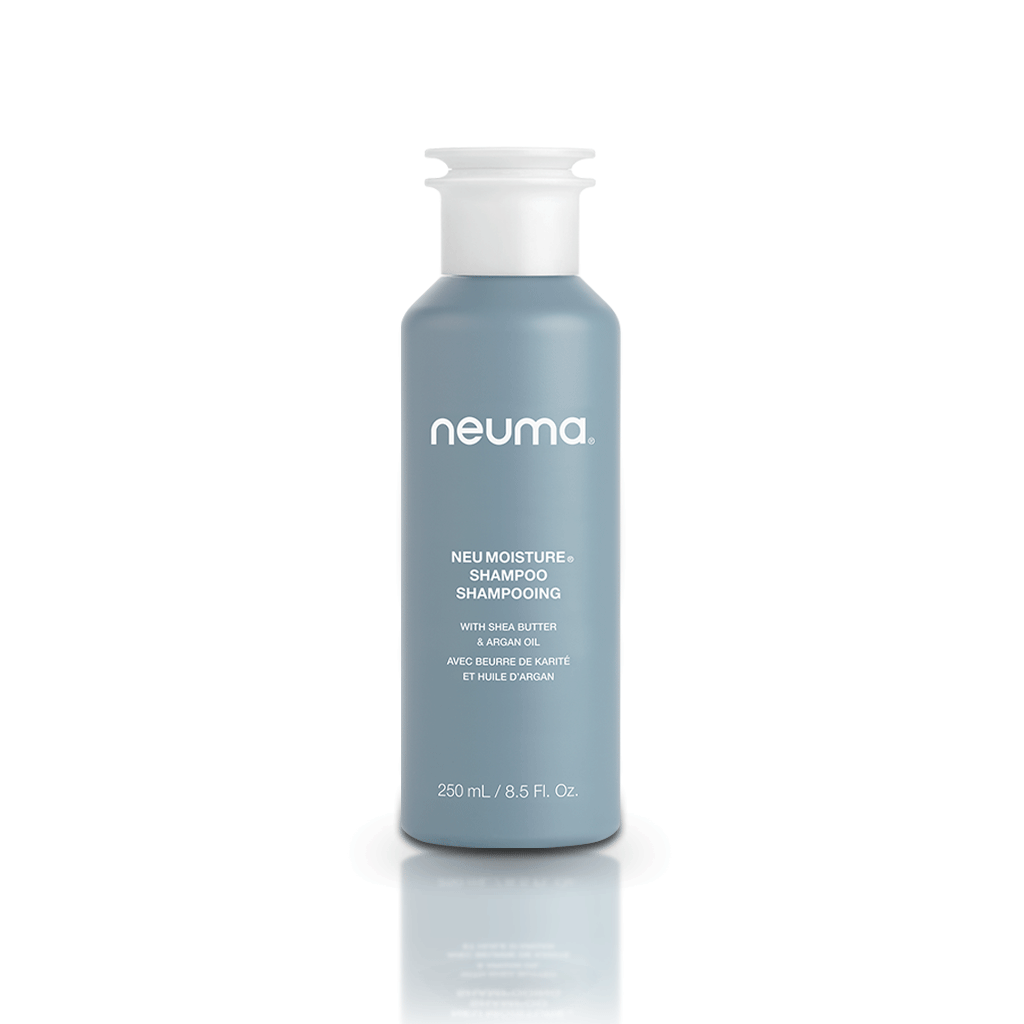
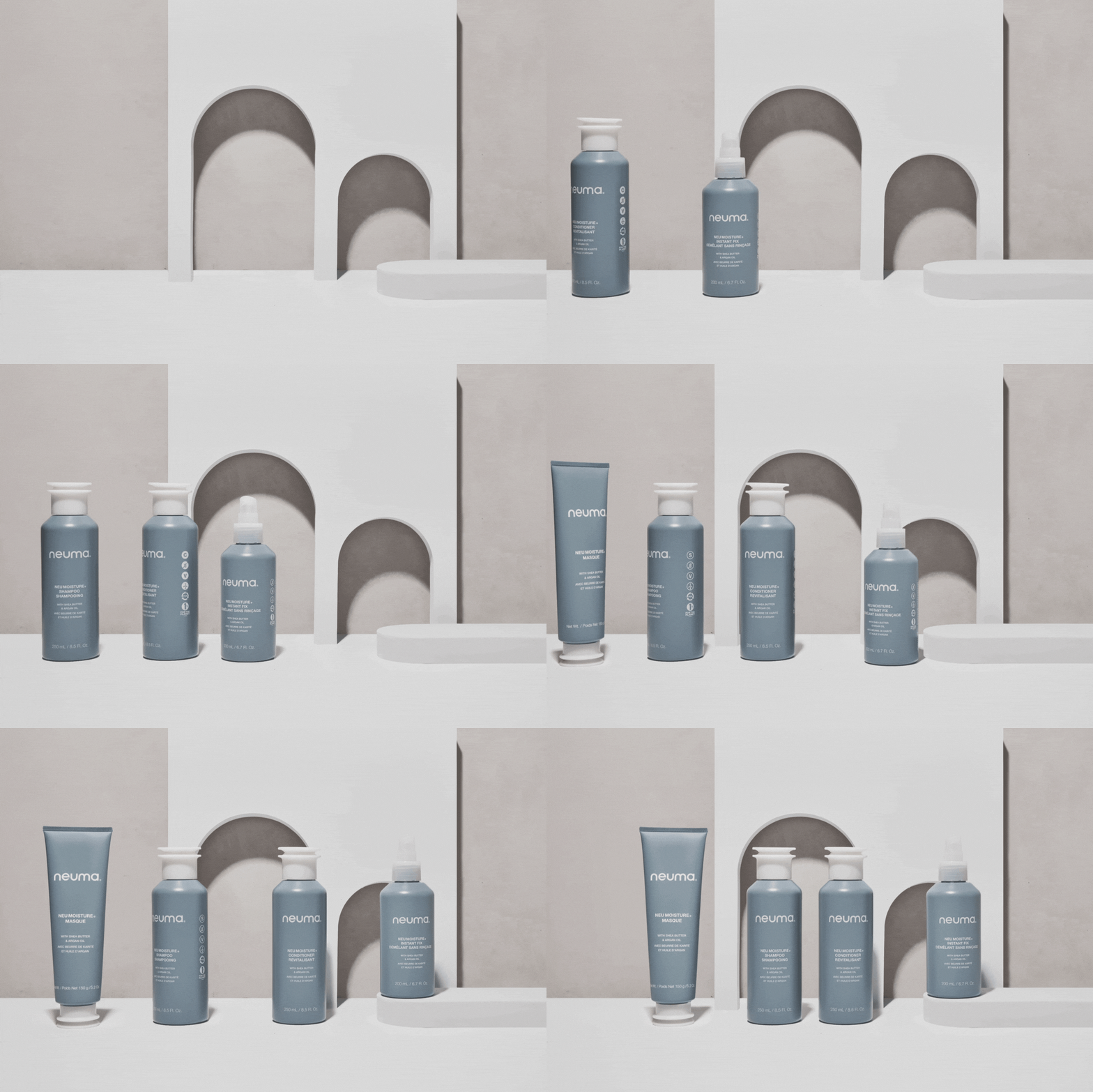
- Frizz from dryness. When hair is dehydrated, the cuticle lifts to pull moisture from the air. That lift is what frizz looks like. NEU MOISTURE SHAMPOO replenishes moisture deep within the strand using shea butter and botanical oils, smoothing the cuticle from within rather than coating over it. For hair that feels rough, straw-like, or lacks shine, this is the right starting point.
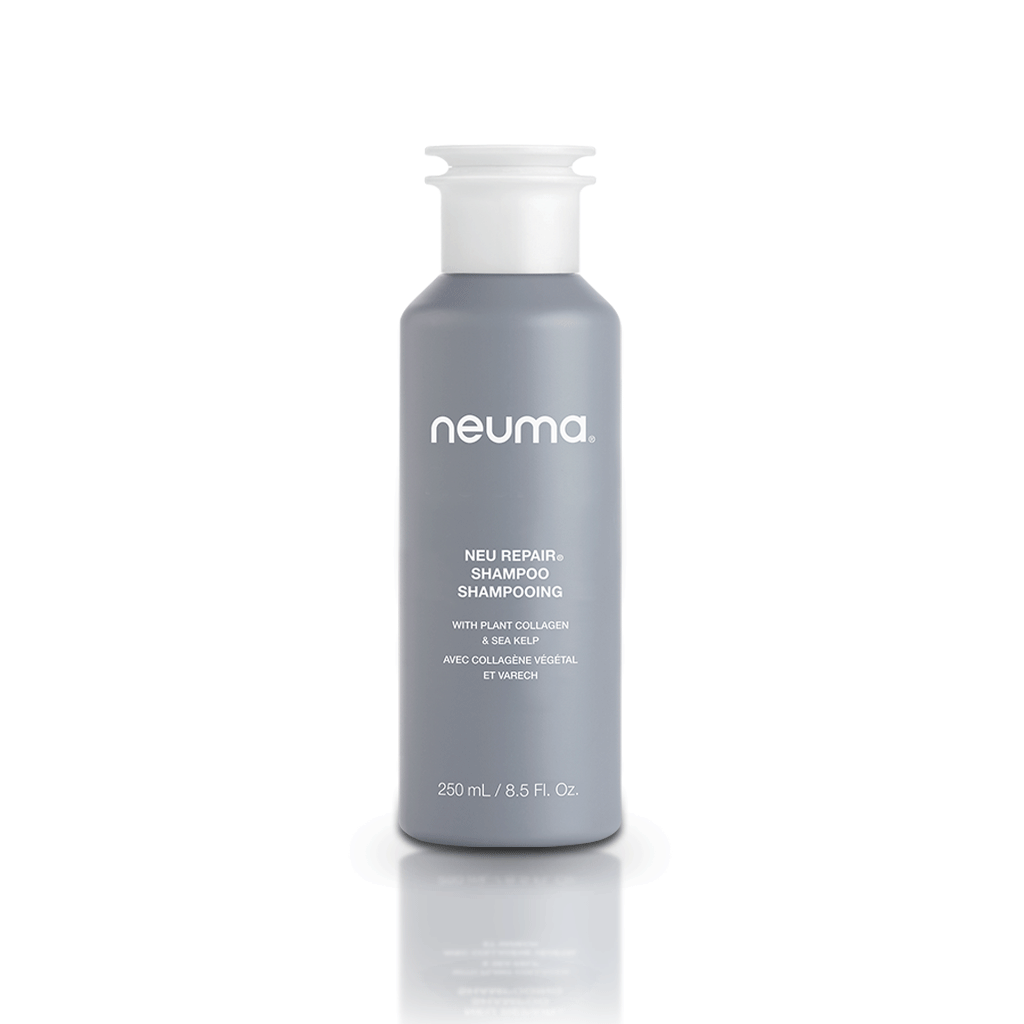
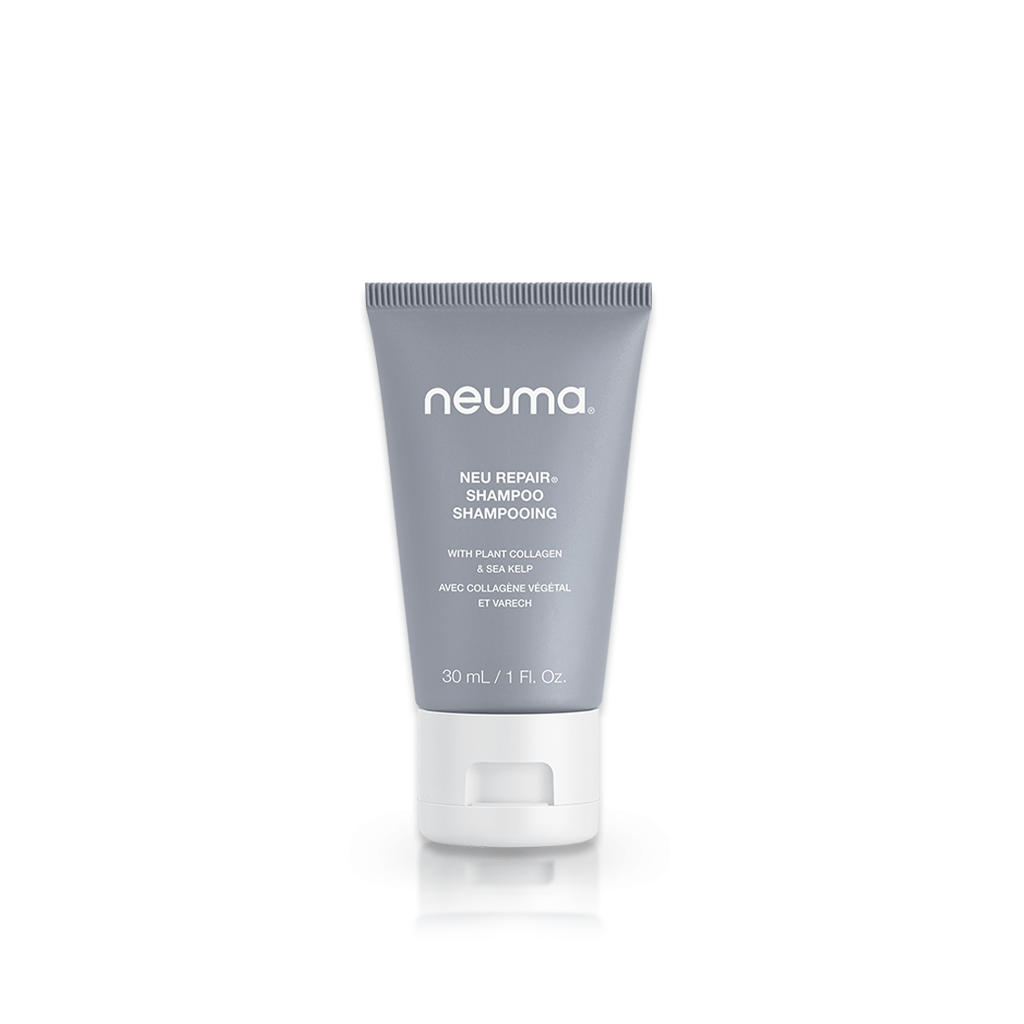
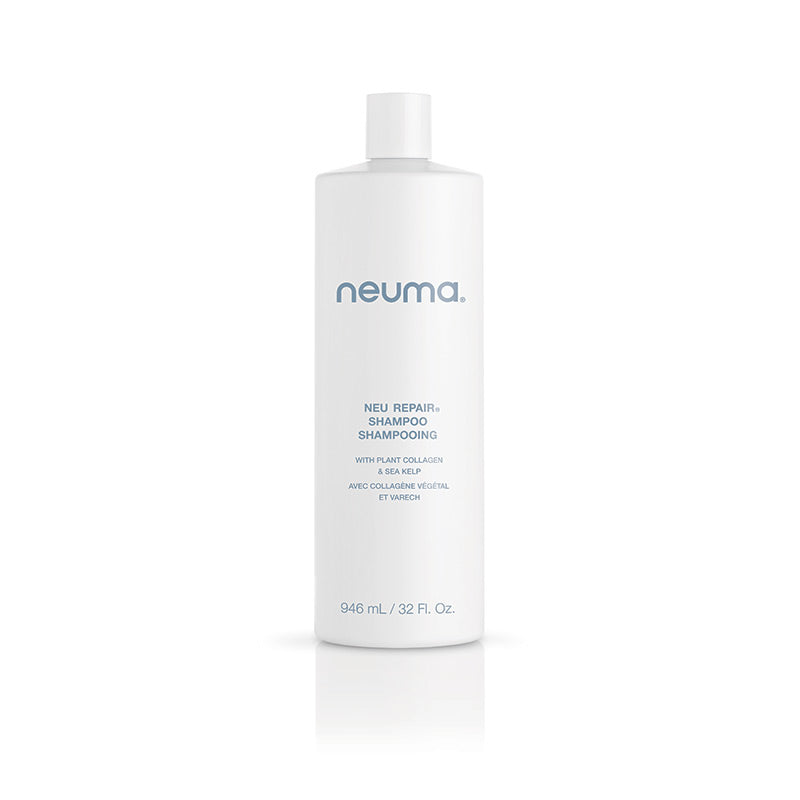
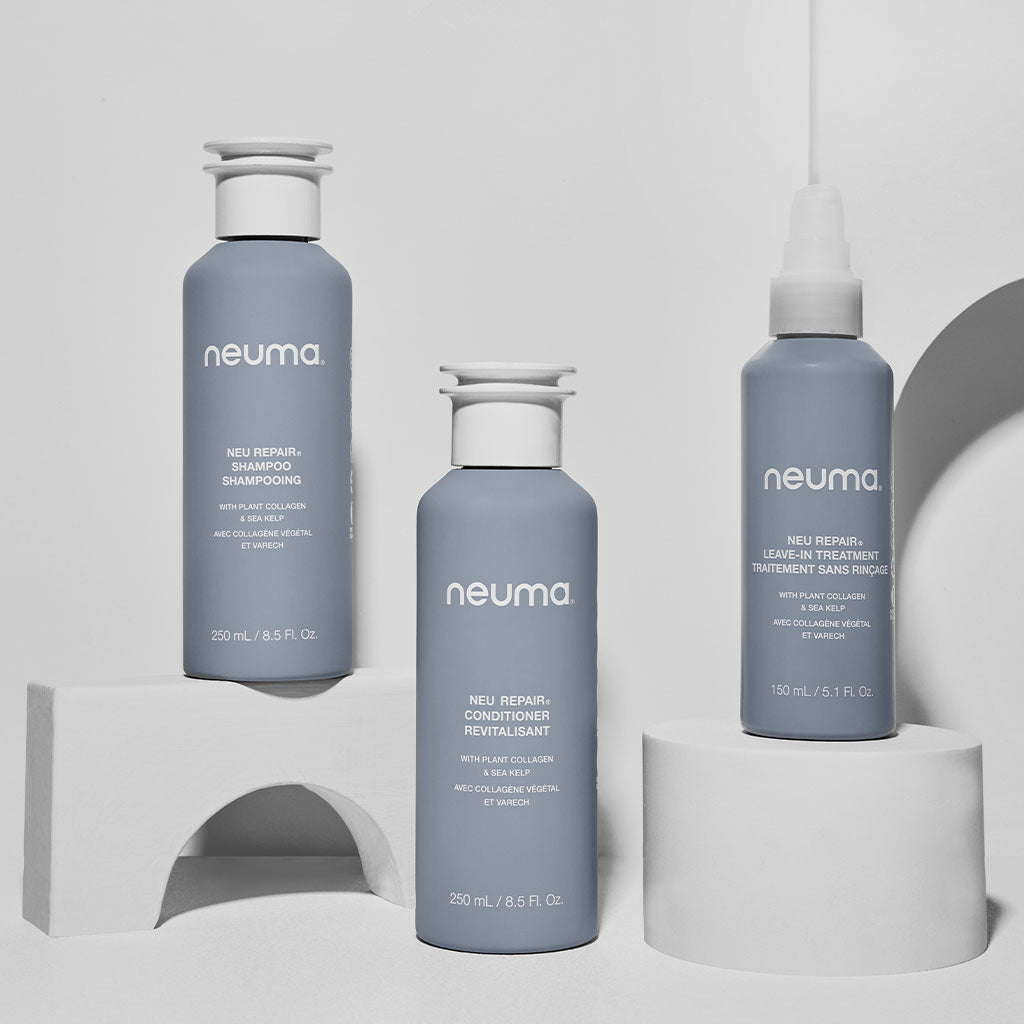
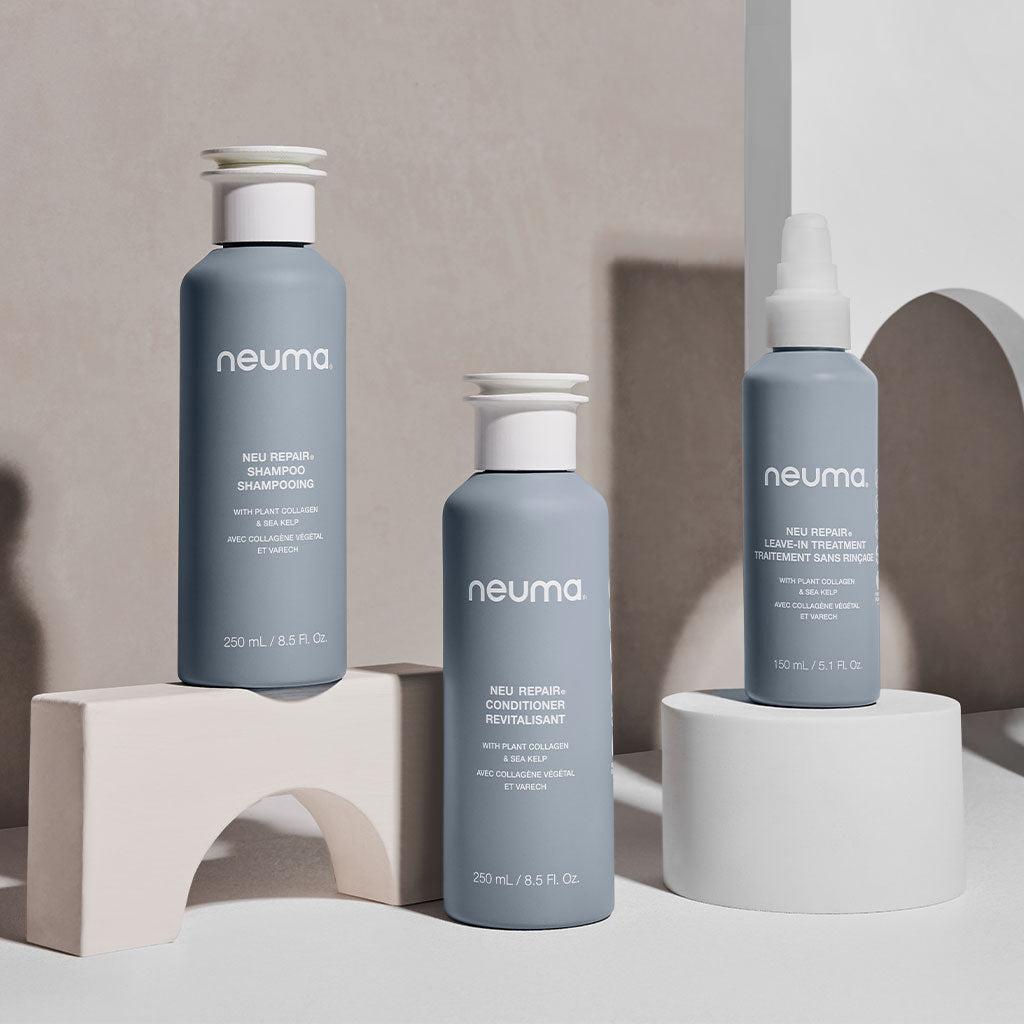
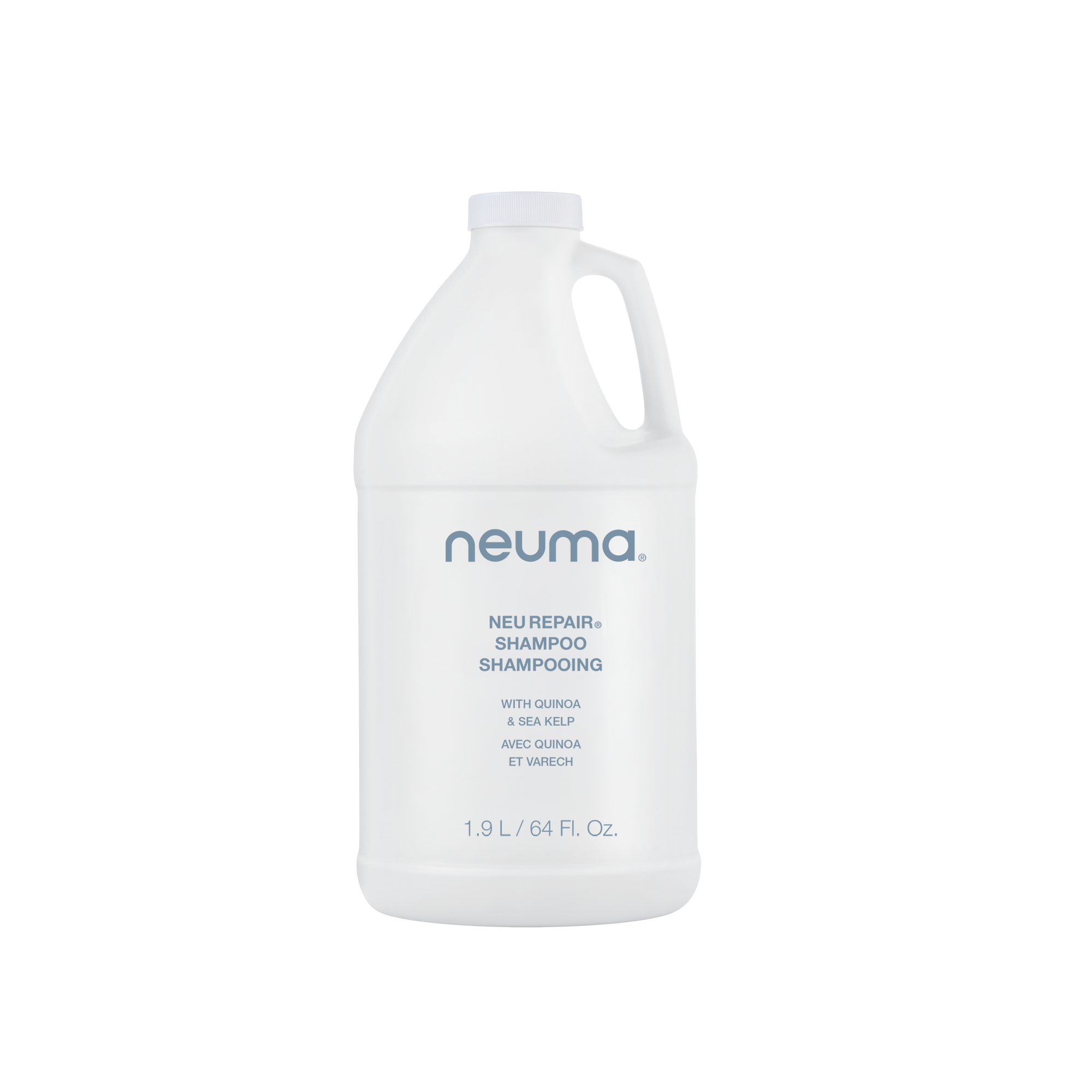
- Frizz from damage. Heat styling, color processing, and chemical treatments leave the cuticle physically compromised, which is why damaged hair frizzes even when it feels moisturized. NEU REPAIR SHAMPOO uses quinoa, sea kelp, and plant proteins to reinforce the hair fiber, improve elasticity, and build the structural integrity that makes hair genuinely resist frizz over time.
How These Shampoos for Frizzy Hair Work
Both formulas are sulfate-free, which means they clean without stripping the natural oils that keep the cuticle flat and moisture-balanced. No harsh detergents. No synthetic fragrance. No silicones building up between washes. Every formula is:
- Sulfate-free and paraben-free
- Vegan and cruelty-free
- Synthetic fragrance-free, natural aromas only
- Free from silicones and known harmful chemicals
- Packaged in 95% post-consumer recycled materials
- Powered by 100% wind energy
The results build over time because the formulas treat the cause of frizz rather than mask it.
Will Switching to a Shampoo for Frizzy Hair Actually Work?
Yes. Here is what to expect. The first few washes may feel different if you are used to silicone-heavy formulas. Less lather does not mean less clean. After the silicone buildup clears, usually within one to two weeks, hair starts responding differently. The cuticle lays flatter. Frizz becomes less reactive to humidity. Hair feels genuinely softer rather than just coated. The longer you use it, the better it performs.
Extend Your Frizz Control Between Washes
A frizz-fighting shampoo works best alongside the right conditioner and a leave-in treatment. Explore the Treatments Collection for leave-ins and oils that keep frizz under control between wash days. Take the Hair Quiz for a personalized routine matched to your hair type and frizz level.
Frequently Asked Questions
Q1. What is the difference between anti-frizz shampoo and regular shampoo?
Anti-frizz shampoos focus on sealing the cuticle, restoring moisture, and reducing roughness. Regular shampoos cleanse but may not address the dehydration or cuticle damage that causes frizz. Neuma's formulas do both: cleanse gently while actively smoothing and hydrating.
Q2. How do I choose the best shampoo for frizzy hair?
Identify the cause. Neu Moisture for dryness-related frizz, Neu Repair for damage-related frizz, and Re Neu for buildup-related frizz. Take the Neuma Hair Quiz for a personalized recommendation.
Q3. Can shampoo for frizzy hair help repair damaged strands?
Yes. Neu Repair Shampoo contains plant proteins, quinoa, and sea kelp that reinforce the hair fiber, restore elasticity, and reduce breakage. It will not reverse severe damage, but consistent use builds stronger strands that resist frizz better over time.
Q4. Are Neuma shampoos for frizzy hair suitable for all hair types?
Yes. Neuma's clean, balanced formulas work across straight, wavy, curly, and coily textures. The anti-frizz benefits apply regardless of hair type since frizz is primarily a moisture and cuticle issue, not a texture issue.
Q5. How often should you wash frizzy hair?
Most frizz-prone hair does well with washing every 2 to 3 days. Over-washing strips natural oils and worsens frizz. On days between washes, Re Neu Dry Shampoo refreshes the scalp and absorbs excess oil without disrupting smoothness.
Q6. Where to buy shampoo for frizzy hair?
Neuma shampoos are available on Neuma's official website, Amazon, and TikTok Shops. You can also find them at authorized salons and professional retailers. Visit Neuma's Salon Locator to find a salon near you.
Q7. What is the best way to wash frizzy hair to reduce frizz?
The goal is to keep the cuticle smooth and minimize friction. Follow these steps:
Step 1: Saturate fully before shampooing. Let warm (not hot) water soak through your hair completely. This opens the cuticle evenly so shampoo distributes without aggressive scrubbing.
Step 2: Shampoo the scalp only. Apply shampoo to roots and scalp. Massage gently with fingertips in small circles. Do not pile hair on top of your head or scrub the lengths.
Step 3: Let the rinse cleanse the ends. As you rinse, the lather running through the mid-lengths and ends is enough to cleanse them. Re-shampooing the ends strips moisture and roughens the cuticle.
Step 4: Detangle with conditioner. Apply conditioner to mid-lengths and ends. Use fingers or a wide-tooth comb to detangle while the hair is slippery. This prevents breakage and keeps the cuticle smooth.
Step 5: Rinse with cool water. Cool water seals the cuticle flat, locking in moisture and creating a smoother surface that resists frizz.
Step 6: Dry gently. Press or scrunch water out with a microfiber towel or cotton T-shirt. Never rub. Friction is one of the biggest frizz triggers.
Step 7: Style while damp. Apply leave-ins, curl creams, or oils while hair is still damp to lock in hydration and smoothness before it air-dries or is heat-styled.