Types of Shampoo: How to Choose the Right One for Your Hair Type
Selecting a bottle of shampoo from the store used to be quite easy. Nowadays, the hair aisle resembles more of a laboratory, with bottles advertising all sorts of benefits like clarified roots, curl definition, color protection, and everything else under the sun. However, the reality is that the proper selection of shampoo comes down to a much more basic combination of two elements.
These include not only the characteristics of your hair but also its exposure to various environmental factors. Below, you will find a breakdown of some of the most popular types of shampoos along with information regarding their target audience.
What Does Shampoo Actually Do?
Shampoo is a cleansing agent that utilizes surfactants to remove oils, build-up, sweat, and dirt on your scalp and hair. However, current shampoos incorporate conditioning components, protein, humectants, and active ingredients to address different conditions such as dryness, dandruff, and color loss.
The main point is that there is no universal shampoo suitable for all types of hair. A moisturizing shampoo for dry hair would be too heavy for fine hair. A clarifying shampoo designed for oily hair would strip chemically processed hair after just a few washes. Therefore, selecting a good shampoo begins with identifying the type of hair you have.
The Different Types of Shampoo
1. Moisturizing or Hydrating Shampoo
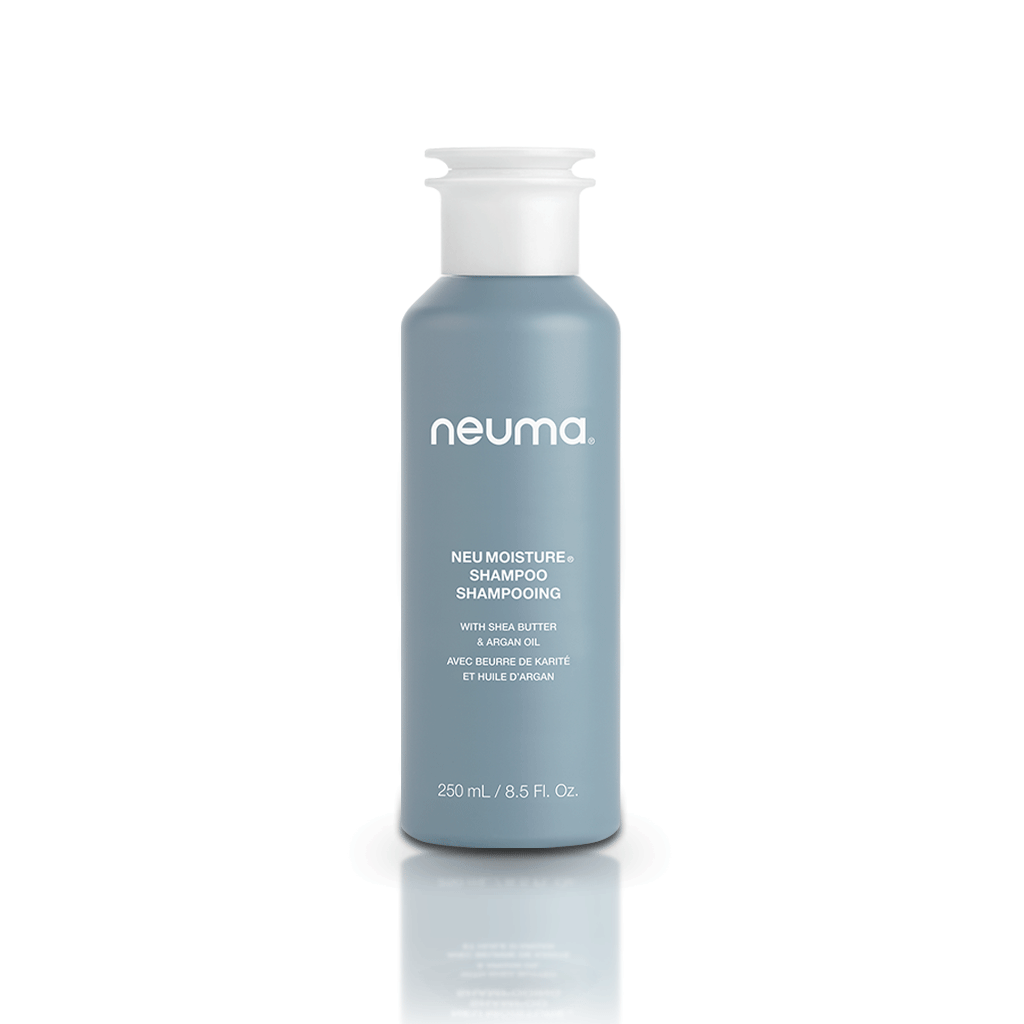
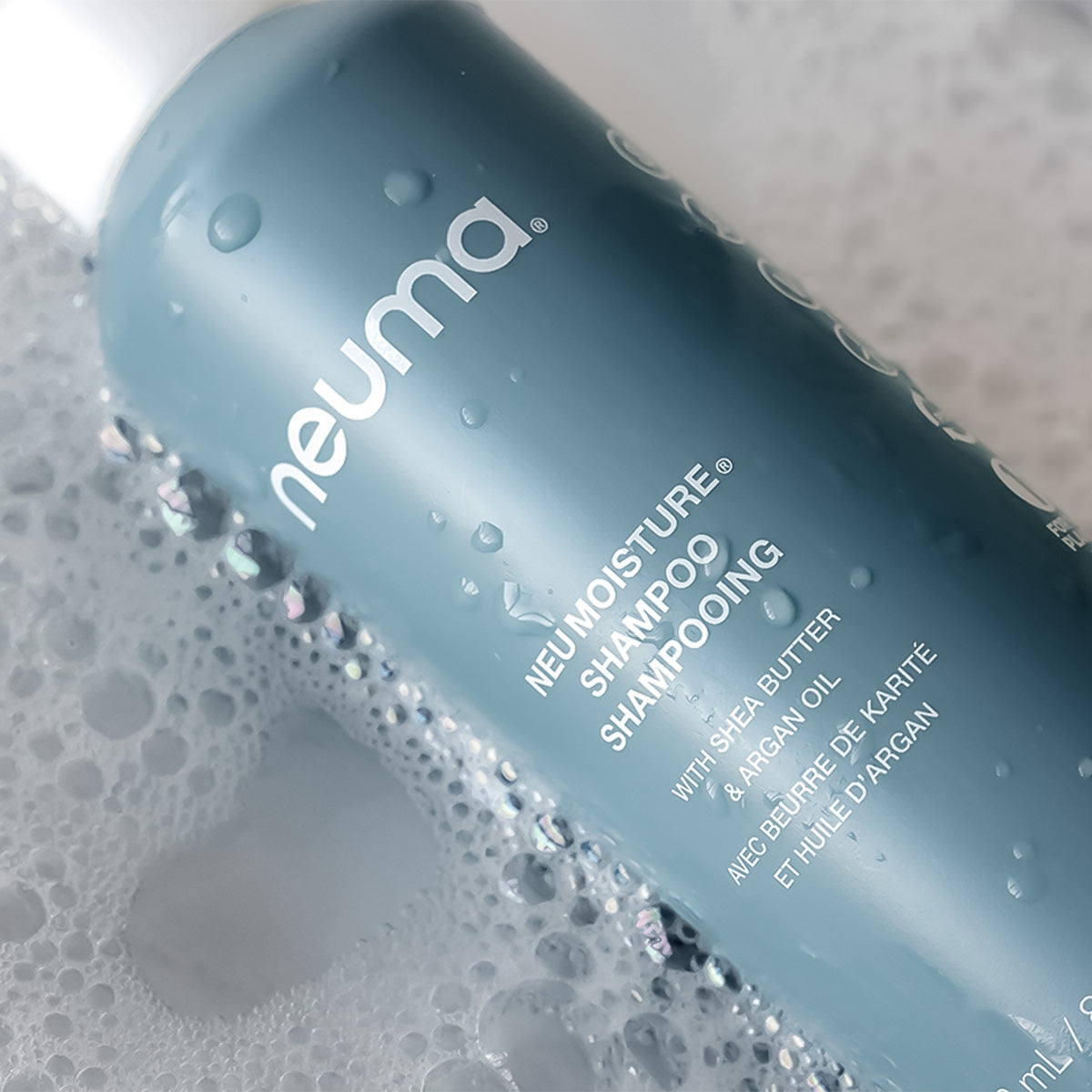
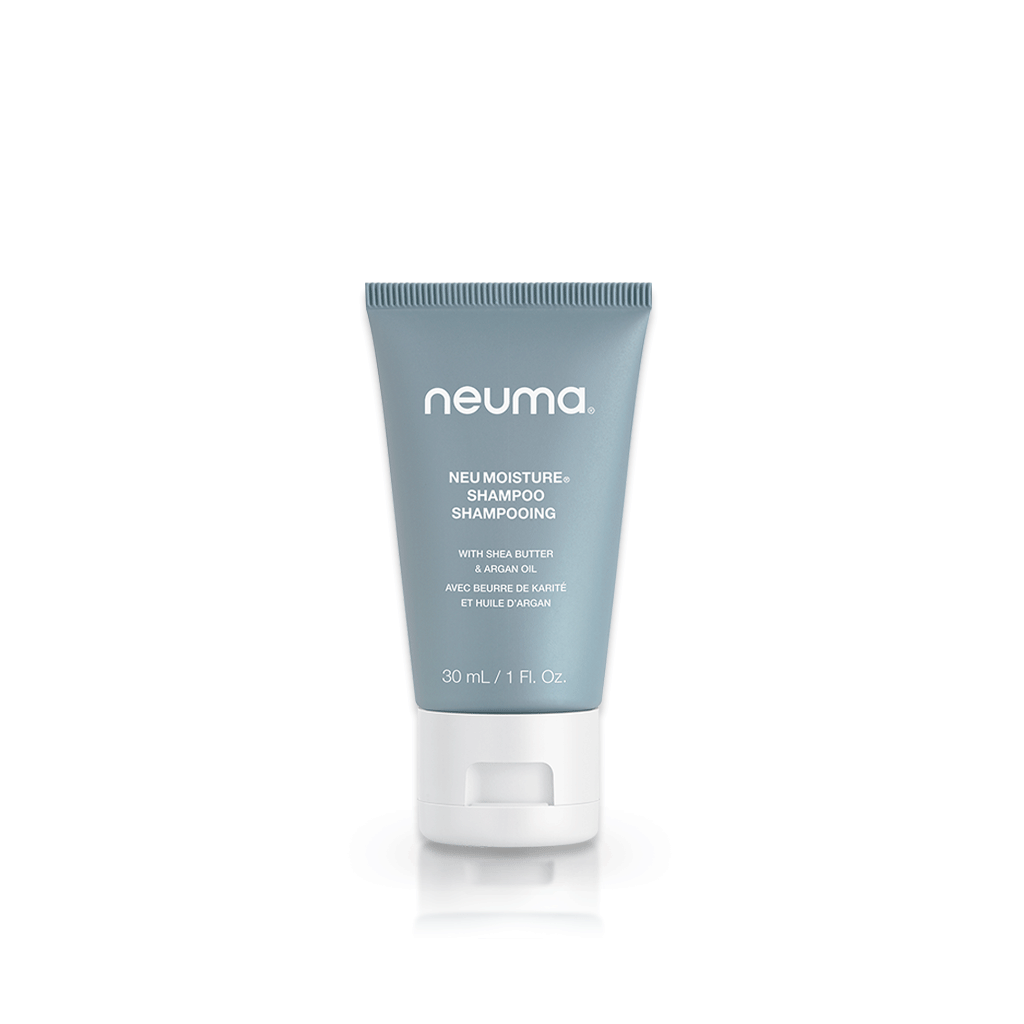
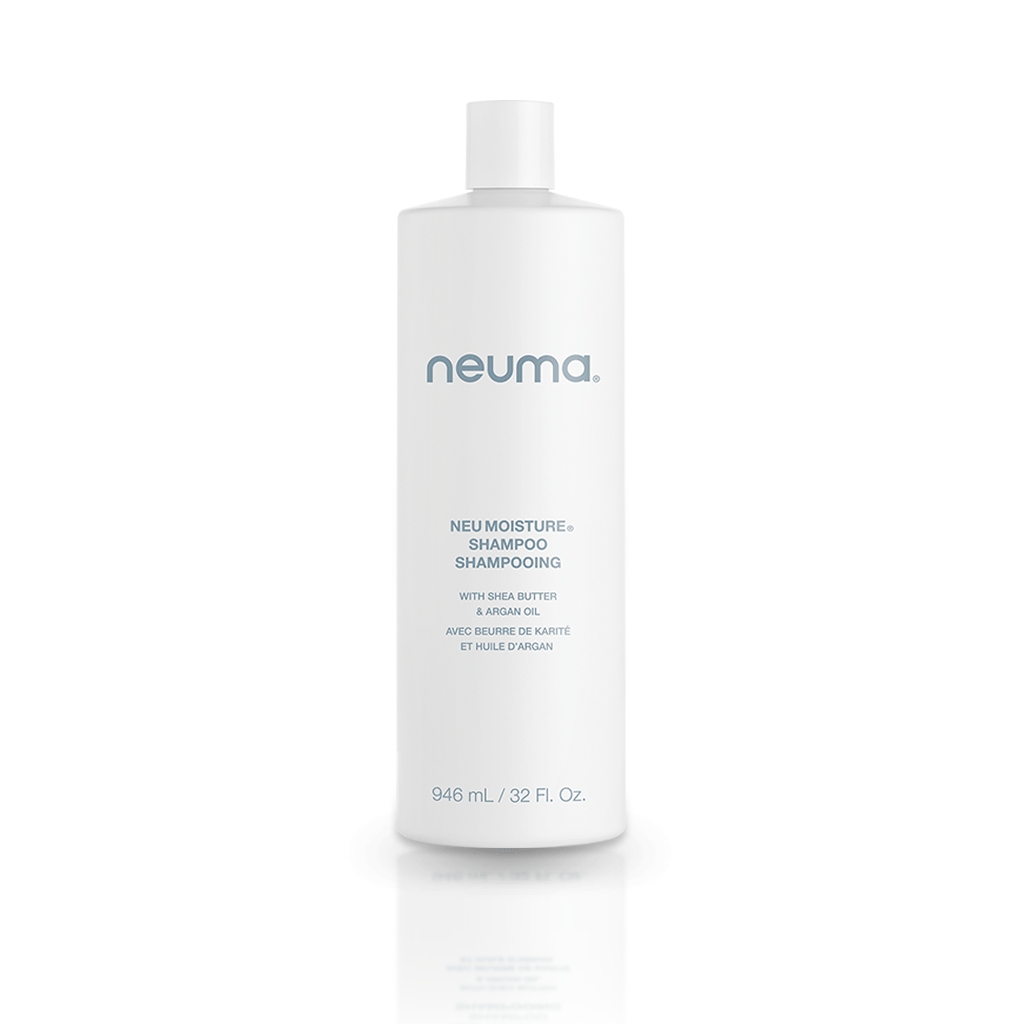
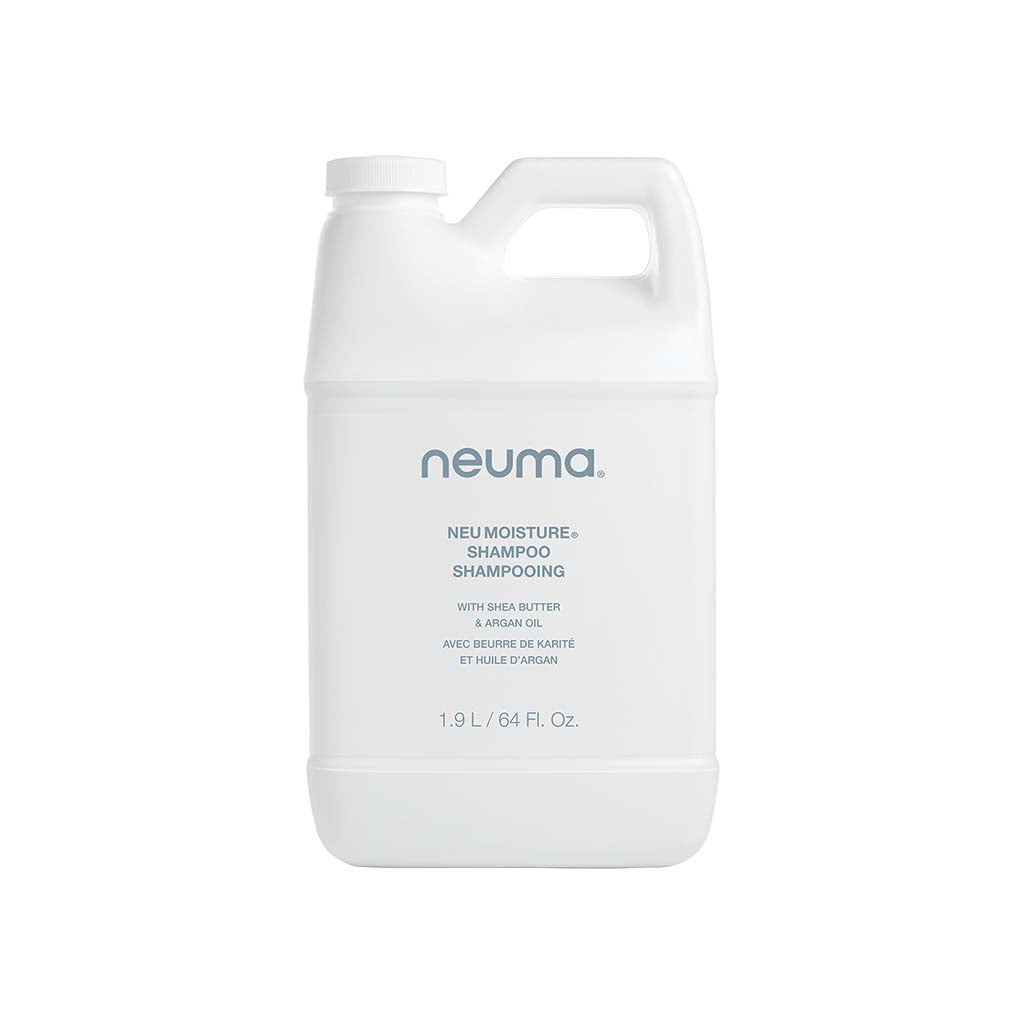
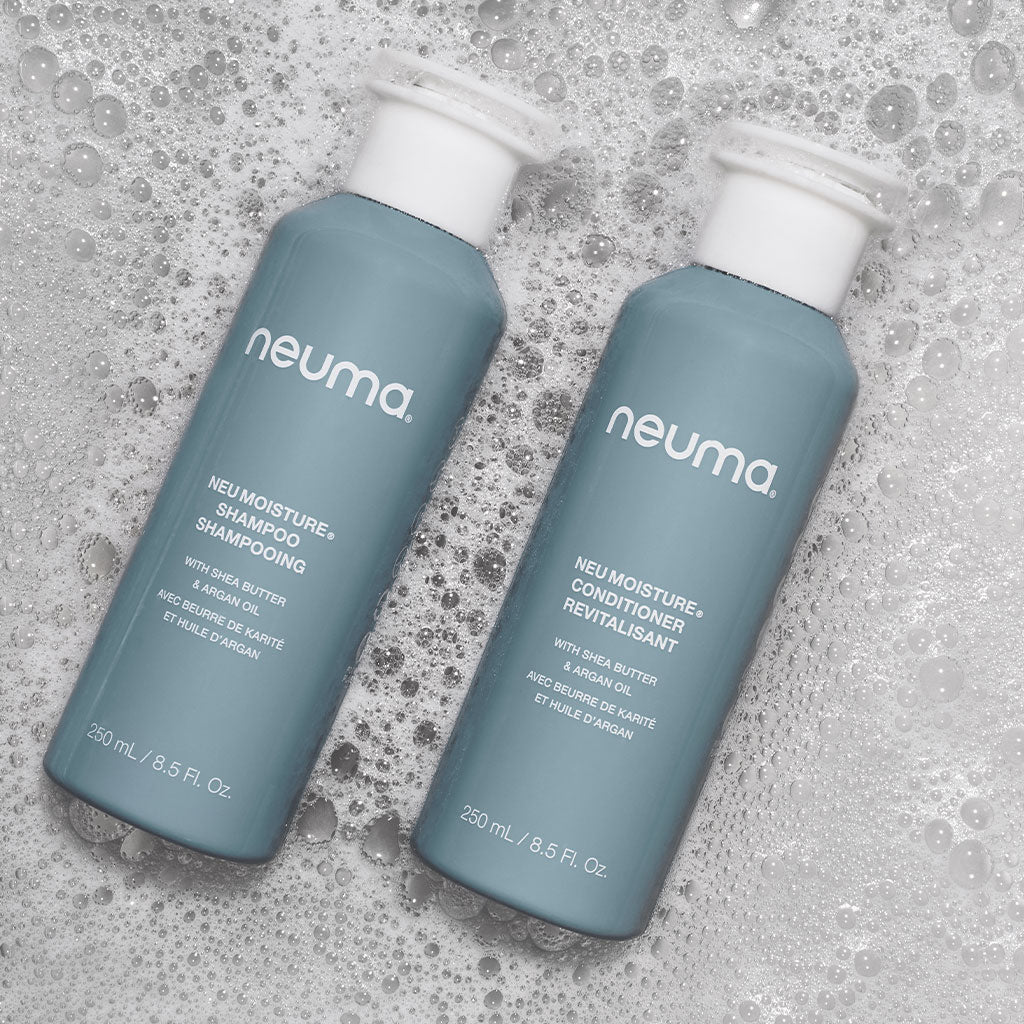
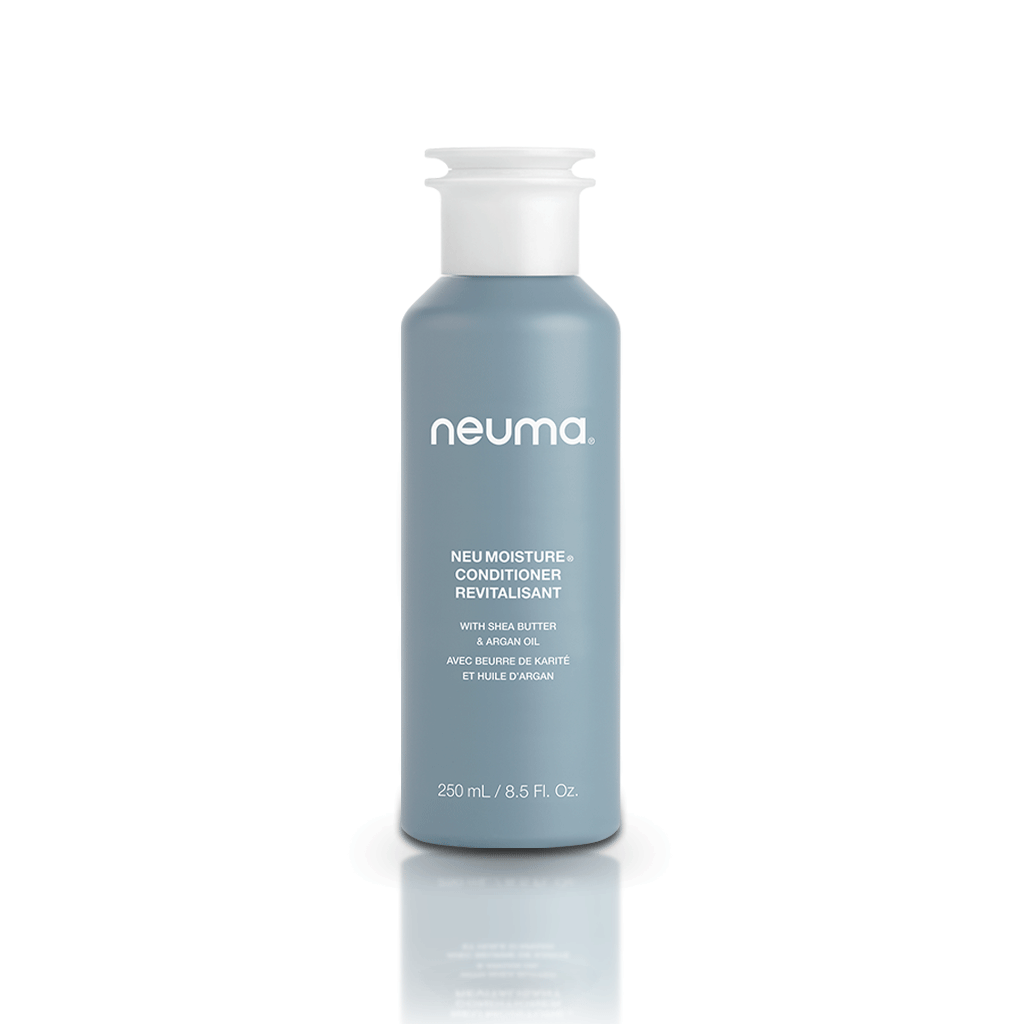
Moisture-restoring shampoos rely on moisturizers such as glycerin, shea butter, argan oil, and panthenol to restore moisture during cleansing. They do not lather as much as regular shampoos, and this can be considered an indication that you have a gentler surfactant system.
Best for: Dry, brittle, curly, coily, or chemically processed hair that drinks up moisture.
Skip it if: You have fine, limp hair that gets weighed down easily, or an oily scalp that needs a stronger cleanse.
2. Clarifying Shampoo
Formulas for clarifying are the heavy-duty cleaners. They utilize more potent surfactants or chelating agents in order to clean product residue, mineral deposits from hard water, pool chlorine, and excess oil left by other shampoos.
Best for: Swimmers, heavy product users, anyone with hard water at home, or hair that feels dull and coated even after washing.
Skip it if: You want to use it daily. Most experts suggest clarifying once a week or once every two weeks, followed by a deep conditioner to rebalance.
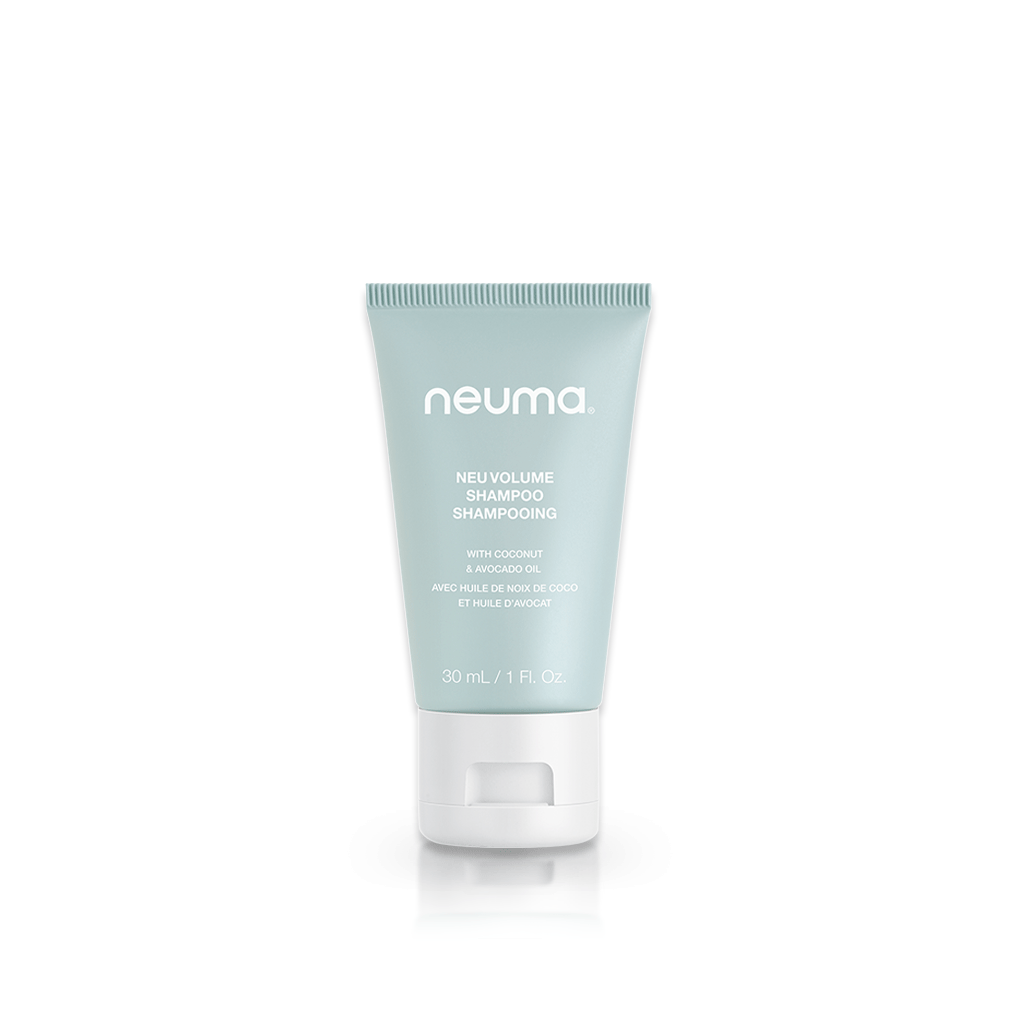
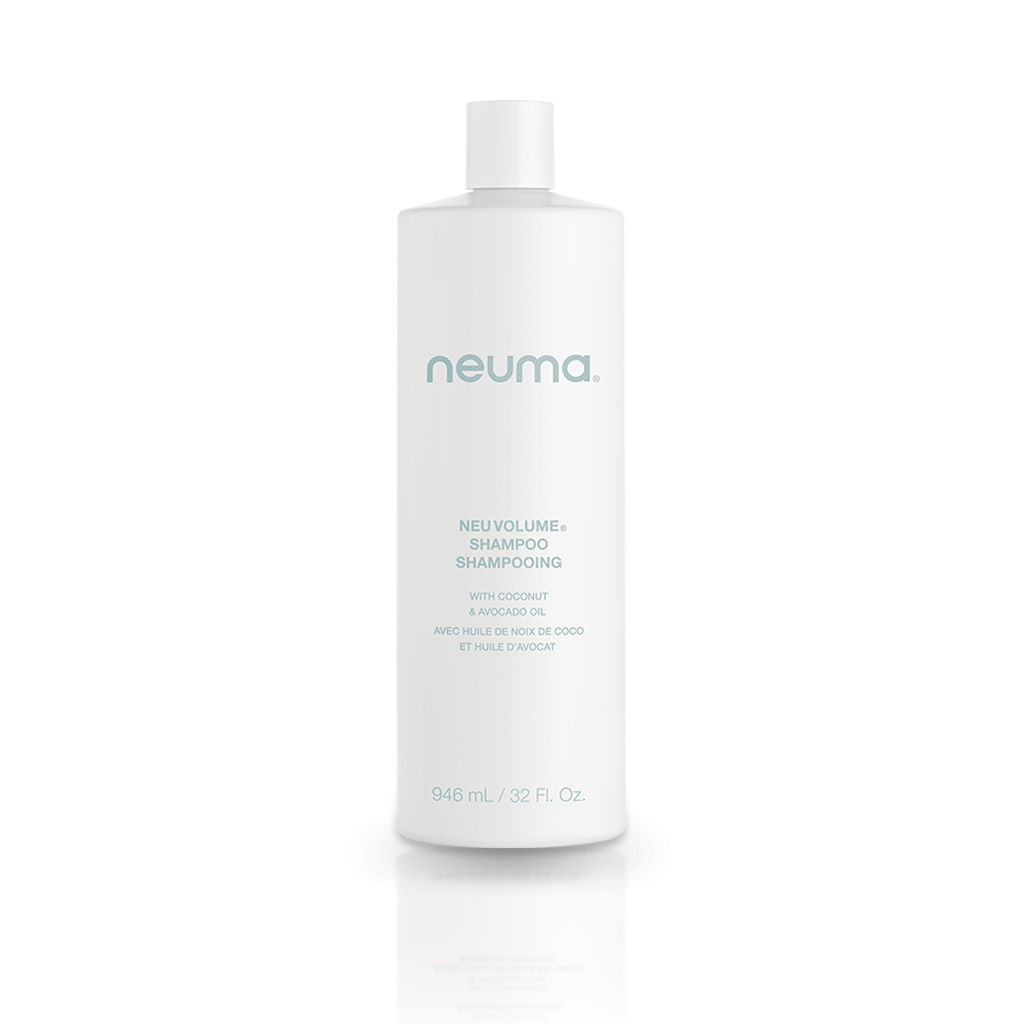
3. Volumizing Shampoo
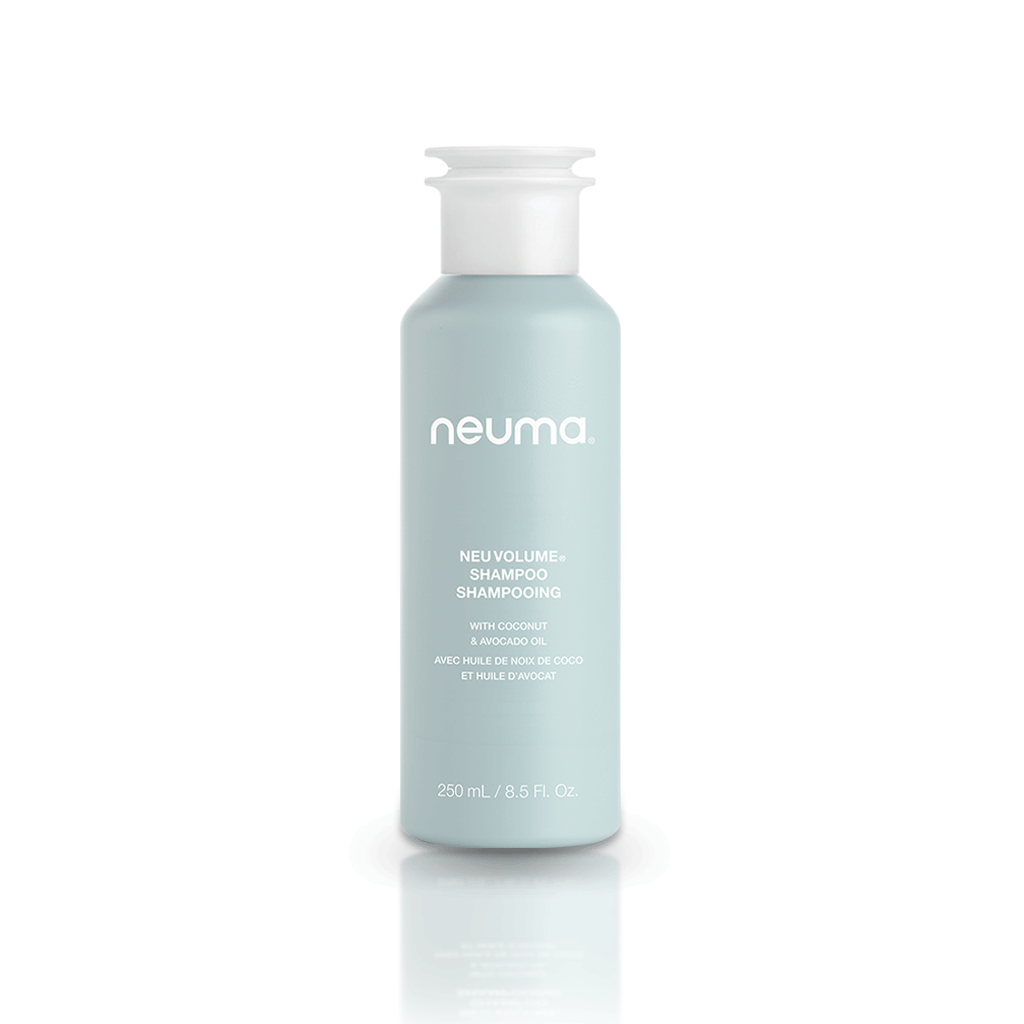
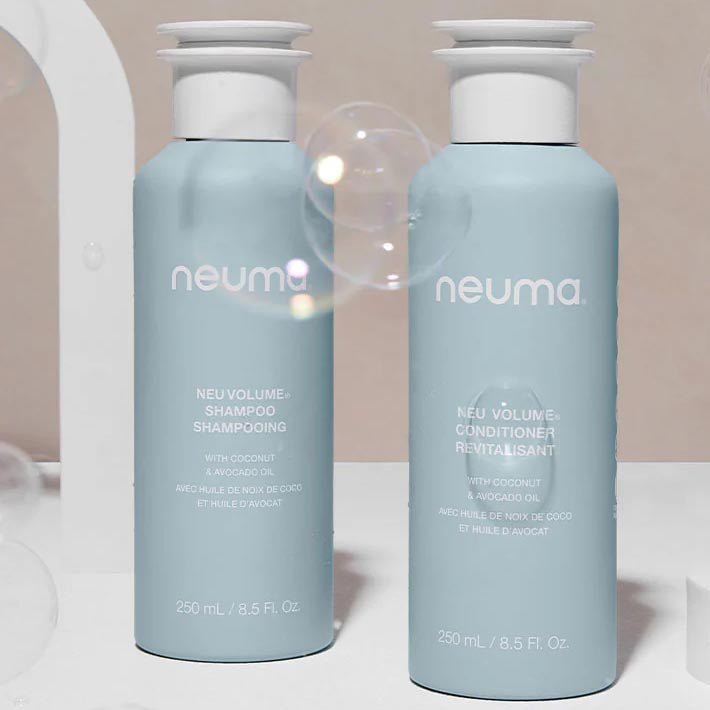
Formulations of volumizing shampoos do not have strong conditioning ingredients and may use protein ingredients such as wheat and rice hydrolysates that bond with hair and add volume. Volumizing shampoos rinse out completely and do not leave any buildup that pulls hair down.
Best for: Fine, thin, or flat hair that loses body quickly.
Skip it if: Your hair is dry or thick, since the lighter formula won't deliver enough moisture.
4. Smoothing or Anti-Frizz Shampoo
Smoothing shampoos coat the hair cuticle with silicones, oils, or keratin-derived ingredients to tame flyaways and calm the frizz that comes from humidity or damage.
Best for: Frizzy, wavy, or coarse hair in humid environments.
Skip it if: You have very fine hair, as silicones can build up and weigh it down over time.
5. Sulfate-Free Shampoo
Sulfate-free shampoos replace harsher surfactants like sodium lauryl sulfate with gentler alternatives such as cocamidopropyl betaine or sodium cocoyl isethionate. They produce less lather but are easier on both hair and scalp.
Best for: Curly, coily, color-treated, or sensitive scalps.
Skip it if: You're using a lot of styling product. Some sulfate-free formulas don't cut through heavy buildup as effectively.
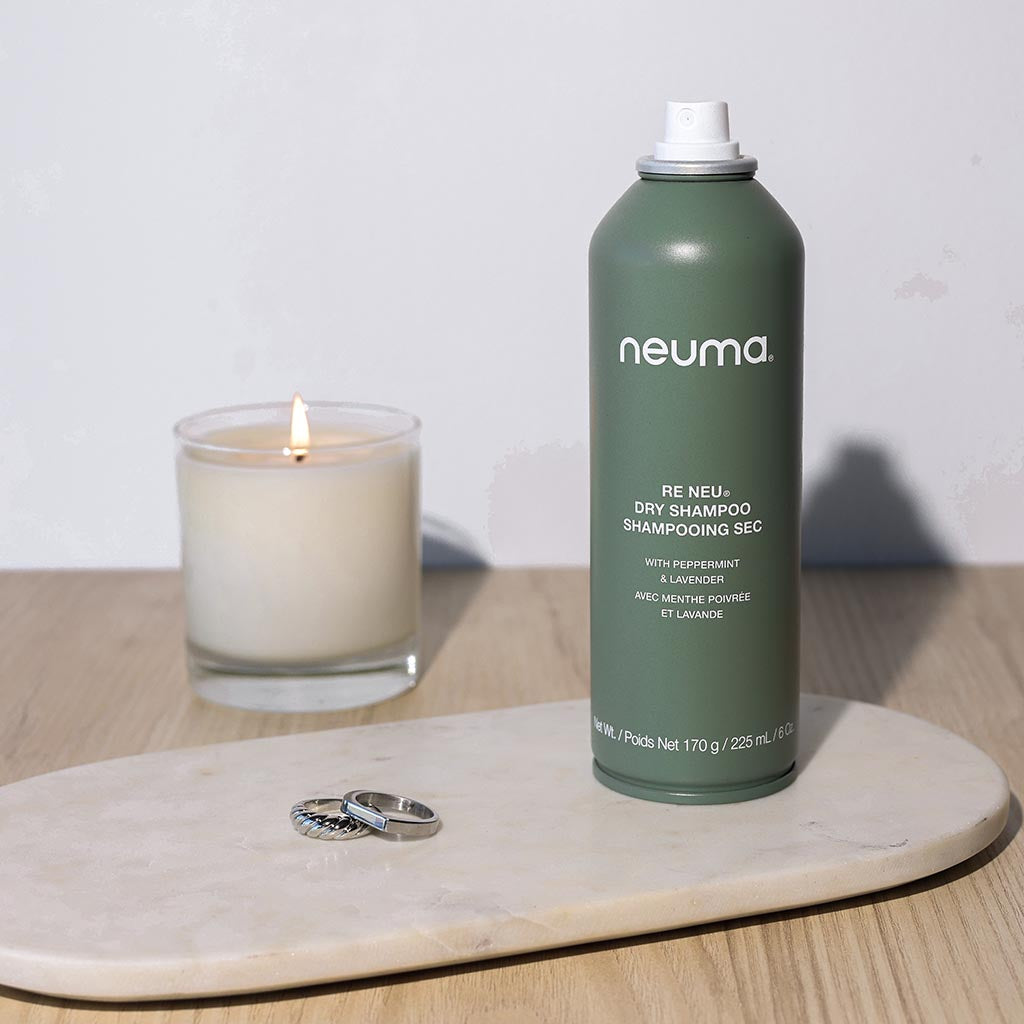
6. Dry Shampoo
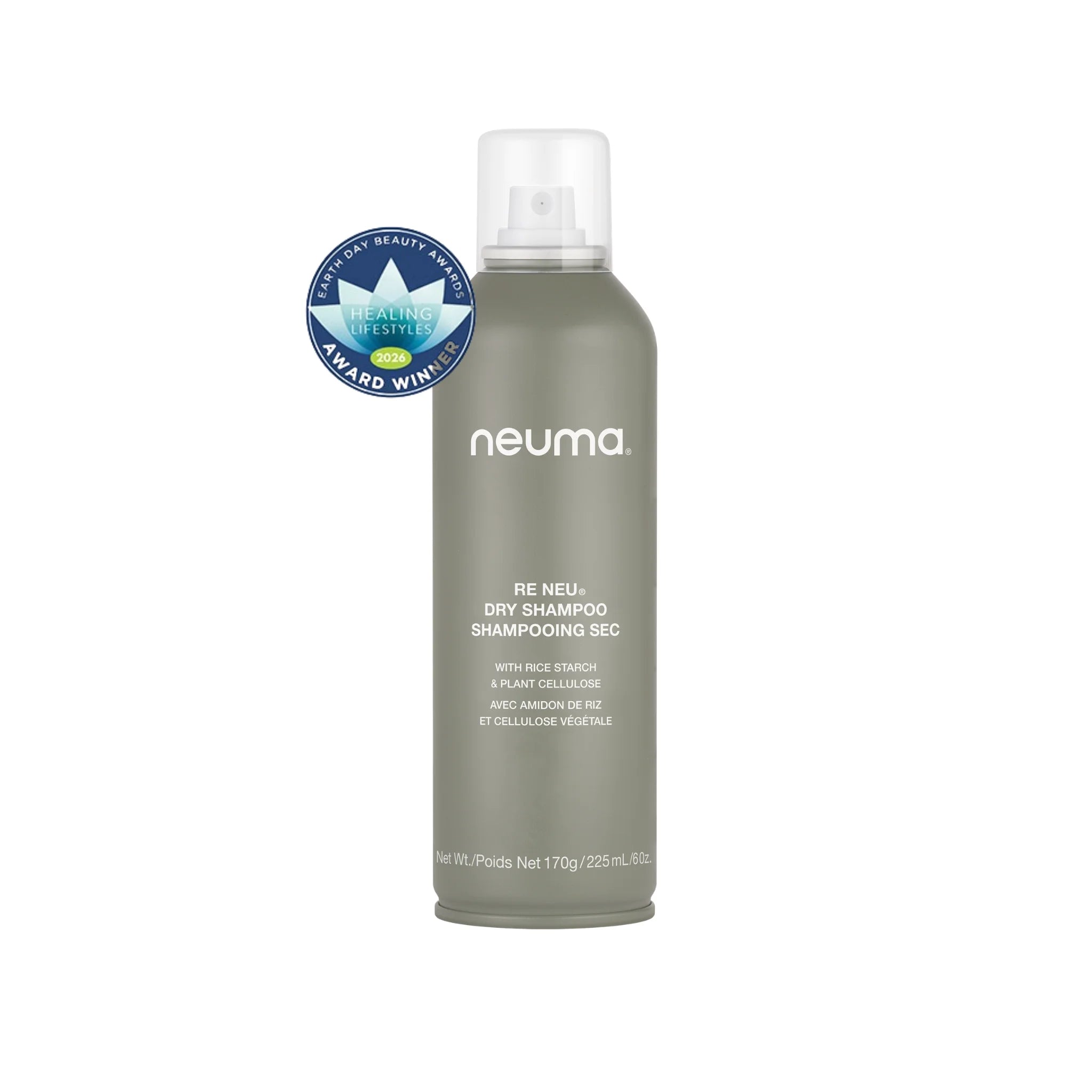
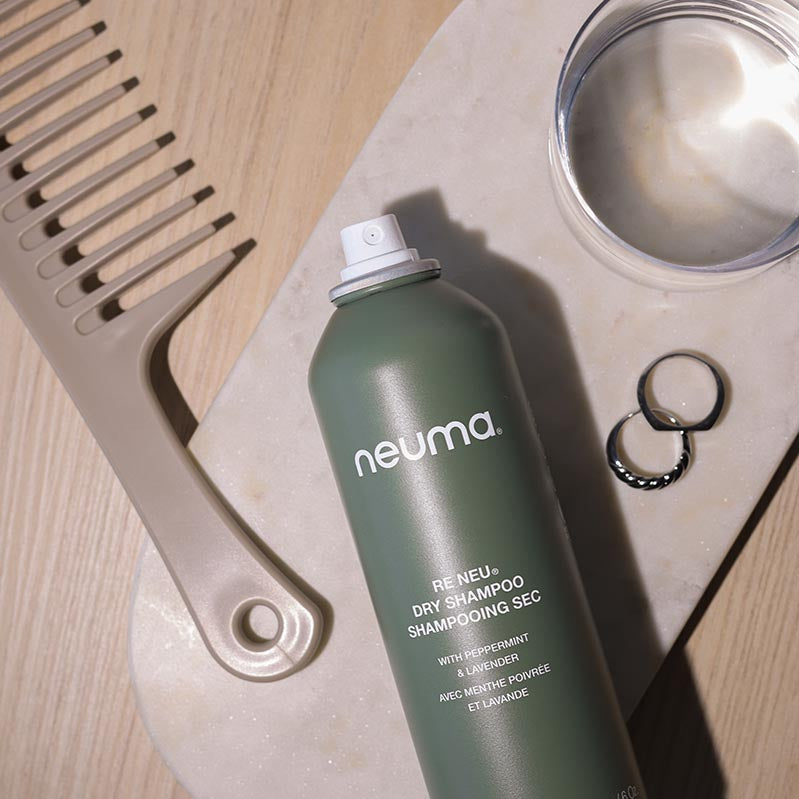
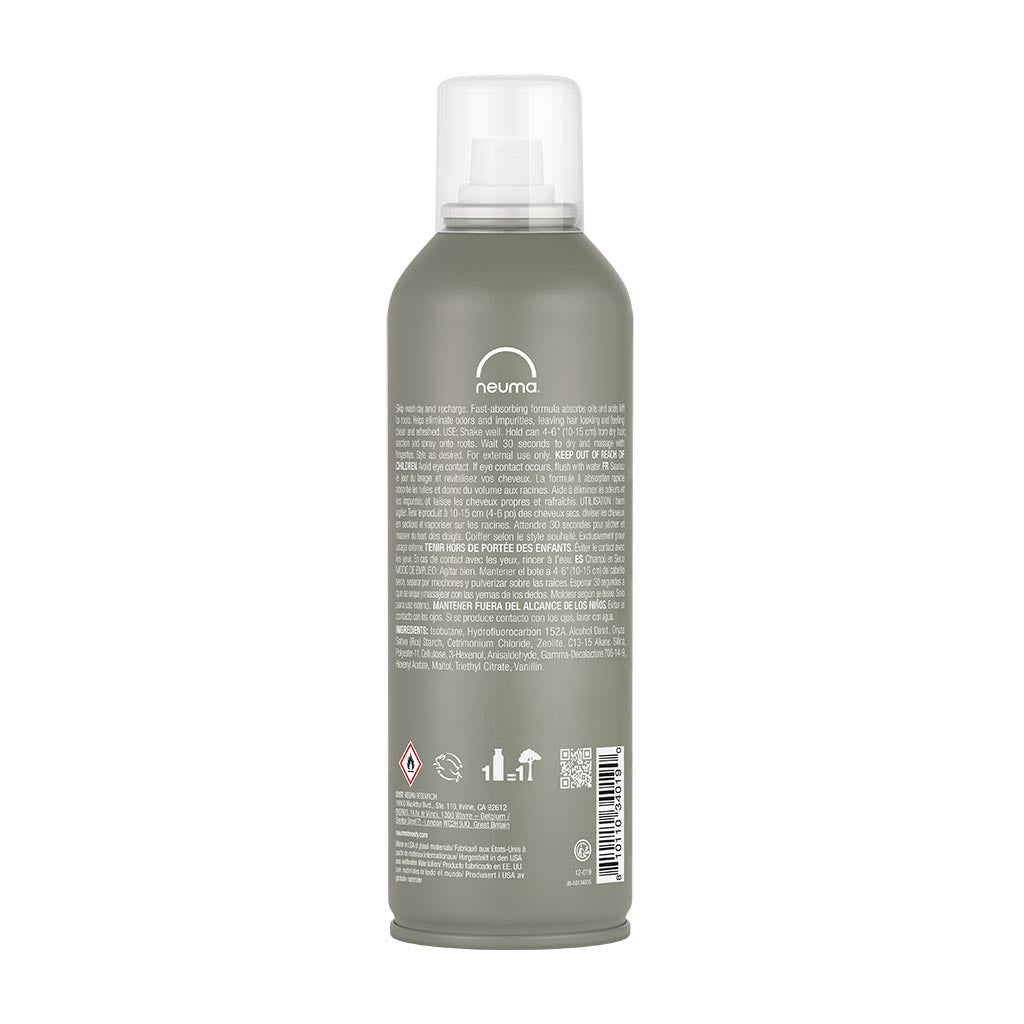
Dry shampoo isn't really shampoo in the traditional sense. It's a spray or powder that absorbs oil at the roots and refreshes hair between washes, typically using starches, clays, or alcohols.
Best for: Busy days, second or third-day hair, anyone trying to wash less often.
Skip it if: You rely on it for more than a few days in a row. Buildup on the scalp can cause irritation and clogged follicles.
How to Choose the Right Shampoo for Your Hair Type
Matching shampoo to hair comes down to a short checklist. Work through these questions in order.
- What is your hair texture? Fine hair needs volume and a clean rinse. Medium hair handles most formulas. Thick, curly, or coily hair needs moisture and gentler surfactants.
- How is your scalp? An oily scalp benefits from stronger cleansers or a clarifying wash once a week. A dry or flaky scalp needs hydrating or medicated formulas depending on the cause. A sensitive scalp does best with sulfate-free options.
- Is your hair chemically treated? Colored, relaxed, keratin-treated, or bleached hair needs sulfate-free, color-safe, or bond-building formulas to preserve treatment and minimize breakage.
- What is your environment? Humid climates pair well with smoothing formulas. Swimmers and people with hard water need clarifying shampoos in rotation. Dry, cold climates call for hydrating options.
- How often do you wash? Daily washers need the mildest option in the rotation. Weekly washers can use richer moisturizing or co-wash formulas.
Most people benefit from keeping two shampoos in rotation, such as a hydrating everyday formula and a clarifying shampoo used once every one to two weeks.
Common Shampoo Mistakes to Avoid
Excessive use of the product, using hot water, scrubbing the lengths rather than massaging the scalp, and failing to condition after clarifying are just four of the most frequent errors made. Apply shampoo to the scalp, allow the foam to run down to the lengths, then use the appropriate conditioner..
Final Thoughts
The choice of the appropriate shampoo does not depend on you alone; it will form the foundation upon which everything will stand. After determining the nature of your hair, as well as the state of your scalp, the selection of shampoos will become simple. Begin by selecting a shampoo that addresses your primary concern and another shampoo for your second problem. Try them out a couple of times.
Your hair is highly sensitive to consistency. Supply it with what it requires, and the rest will become easy.
Frequently Asked Questions
Q.1 How often should I shampoo my hair?
It depends on your hair type and scalp. Oily scalps and fine hair may need daily or every-other-day washes, while dry, curly, or coily hair often does best with one to two washes per week.
Q.2 Is sulfate-free shampoo always better?
Not always. Sulfate-free is gentler and better for color-treated or curly hair, but some people with oily scalps or heavy product use get a cleaner rinse from a traditional sulfate-based formula.
Q.3 Can I use the same shampoo year-round?
Your scalp changes with the seasons. Many people switch to lighter, clarifying formulas in summer and richer, hydrating ones in winter.
Q.4 Do expensive shampoos work better than drugstore ones?
Price doesn't guarantee performance. Read the ingredient list and match it to your hair type — many drugstore formulas perform as well as salon brands for the same concerns.
Q.5 Should I switch shampoos regularly?
There's no strong evidence that hair "gets used to" a shampoo. If a formula is working, stick with it. Rotate only if your hair or scalp needs change, such as after coloring or seasonally.